Imperial College London CV Examples
Imperial College London is highly competitive, and your CV must reflect academic excellence. This page provides postgraduate CV examples, formatting guidance, and expert advice tailored to Master’s and PhD applicants. Use our guidance to build a precise, high-quality Imperial College London CV that fits academic criteria.

- Our customers have been hired by : *Foot Note
Preparing a strong academic CV is a crucial step when applying to Imperial College London for a Master’s, PhD, or research programme. On this page, you will find:
- Academic CV examples tailored to Imperial College London
- Customisable postgraduate CV templates
- Step-by-step guide to writing an academic CV
- Answers to common questions about Master’s and PhD CV requirements
Smarter writing with built-in AI
Get instant, high-quality text suggestions tailored to your specific industry.
SEARCH ALL CV EXAMPLES
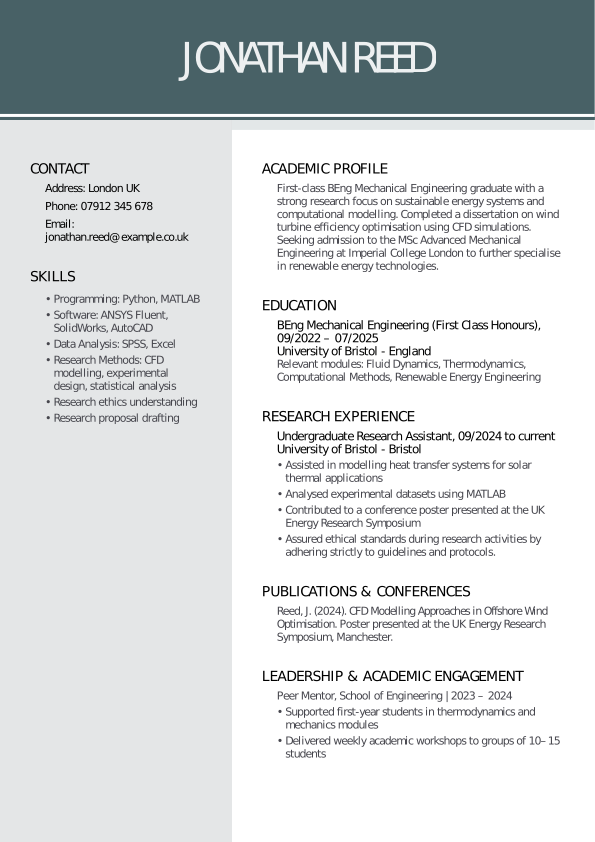
Imperial College London CV sample

Jonathan Reed
London UK
07912 345 678
jonathan.reed@example.co.uk
ACADEMIC PROFILE
First-class BEng Mechanical Engineering graduate with a strong research focus on sustainable energy systems and computational modelling. Completed a dissertation on wind turbine efficiency optimisation using CFD simulations. Seeking admission to the MSc Advanced Mechanical Engineering at Imperial College London to further specialise in renewable energy technologies.
RESEARCH EXPERIENCE
September 2024–current
University of Bristol
Undergraduate Research Assistant
- Assisted in modelling heat transfer systems for solar thermal applications.
- Analysed experimental datasets using MATLAB.
- Contributed to a conference poster presented at the UK Energy Research Symposium.
- Assured ethical standards during research activities by adhering strictly to guidelines and protocols.
SKILLS
- Programming: Python, MATLAB
- Software: ANSYS Fluent, SolidWorks, AutoCAD
- Data Analysis: SPSS, Excel
- Research Methods: CFD modelling, experimental design, statistical analysis
- Research ethics understanding
- Research proposal drafting
EDUCATION
September 2022–July 2025
University of Bristol
BEng Mechanical Engineering (First Class Honours)
- Relevant modules: Fluid Dynamics, Thermodynamics, Computational Methods, Renewable Energy Engineering
PUBLICATIONS & CONFERENCES
- Reed, J. (2024). CFD Modelling Approaches in Offshore Wind Optimisation. Poster presented at the UK Energy Research Symposium, Manchester
LEADERSHIP & ACADEMIC ENGAGEMENT
Peer Mentor, School of Engineering | 2023–2024
- Supported first-year students in thermodynamics and mechanics modules.
- Delivered weekly academic workshops to groups of 10–15 students.
Imperial College London academic CV templates
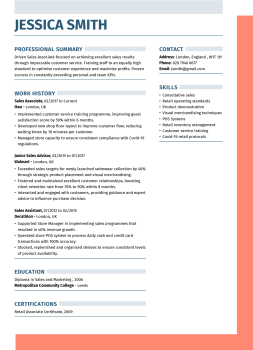
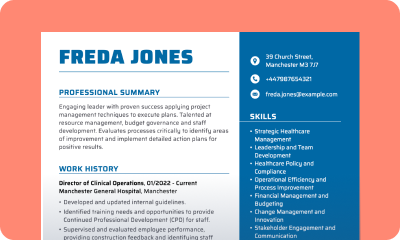
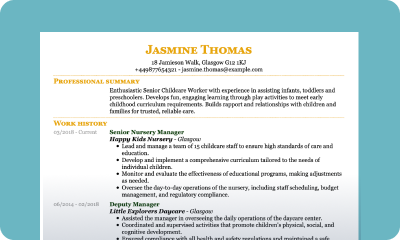
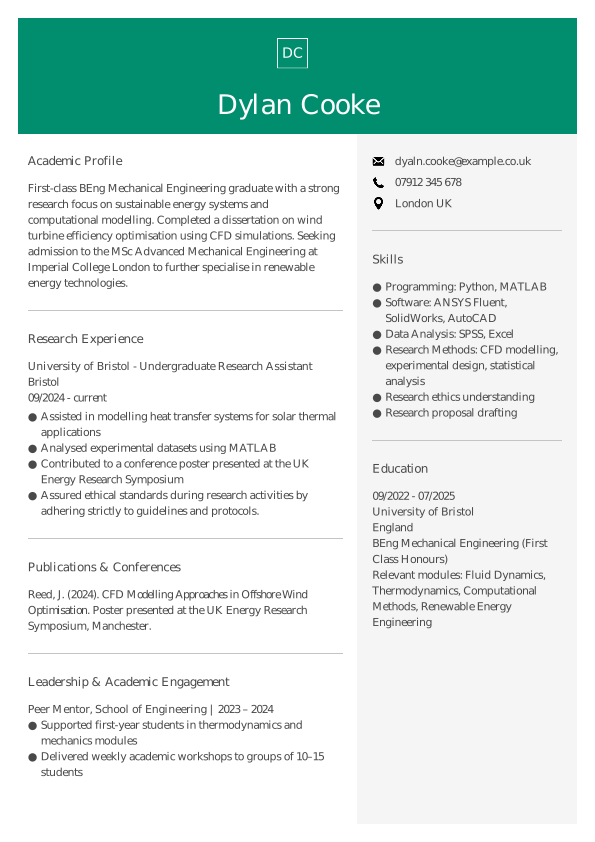
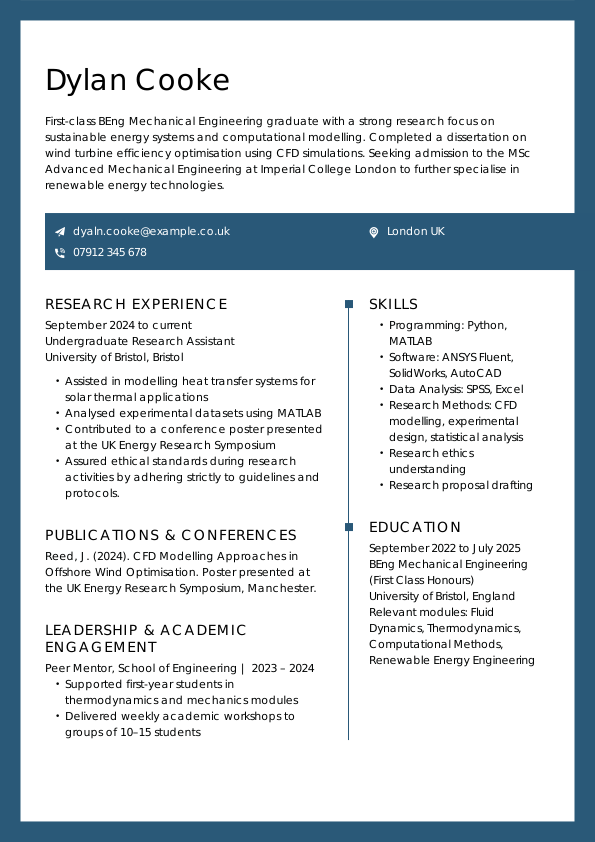
Create a strong academic CV quickly with templates designed for Master’s and PhD applications. Each layout highlights your education, research, and technical skills.
Browse the CV templates below to find a design that matches your academic goals and field of study.
What’s the right Imperial College London CV format?
The structure of your CV for Imperial College London directly affects how quickly admissions tutors can assess your academic progression and research potential. Clarity and logical order are essential.
For Imperial College London postgraduate applications, a chronological CV format is strongly recommended.
This CV format lists your most recent education and research experience first, clearly showing:
- Degree progression and academic performance
- Dissertation or thesis development
- Research roles and increasing responsibility
- Relevant placements or industry experience
A chronological structure reflects academic maturity and makes it easy for tutors to see how your experience has built towards your chosen Master’s or PhD programme.
Formatting tips for an Imperial College London CV
- Put education first
List your degree, classification, and dissertation at the top. Academic achievement should lead. - Use clear academic headings
Sections such as Education, Research Experience, and Technical Skills keep your CV structured and easy to review. - Be specific with skills
Name exact tools, software, and methods rather than broad abilities.
How to write a CV for Imperial College London
Your CV should present your education, research experience, and technical expertise with clarity. Every section needs to show how your academic journey has prepared you for your chosen Master’s or PhD programme at Imperial College London.
Follow the tips on what to include and how to structure your CV for ICL to reflect depth, progression, and your academic ambition.
Step 1: Add your contact details
Start your Imperial College London CV with a clear, professional header so admissions tutors can immediately identify you. This section should be concise and include only essential information.
For an Imperial College London postgraduate application, your contact details should include:
- Full name
- City and country of residence
- Professional email address
- Phone number
You may also include a LinkedIn profile if it is academically relevant.
Example Contact Section
Daniel Whitmore
London, United Kingdom
daniel.whitmore@gmail.com
07492 681 330
Step 2: Write your Imperial College London personal statement
Your personal statement sits at the top of your CV and gives admissions tutors a clear snapshot of your academic background and direction. In a short paragraph, outline your degree, key research interests, and the programme you are applying for at Imperial College London.
The best way to describe yourself in a CV for ICL is to demonstrate focus and intellectual maturity. Avoid generic traits and instead highlight your academic strengths, research exposure, or technical expertise.
Keep it concise, around 50–70 words, and ensure it aligns directly with your chosen Master’s or PhD course.
Example academic profiles
“First-class Mechanical Engineering graduate with a research focus on sustainable energy systems and computational modelling. Completed a dissertation on offshore wind turbine optimisation using CFD simulations. Seeking admission to the MSc Advanced Mechanical Engineering at Imperial College London to further specialise in renewable energy technologies.”
OR
“Biomedical Sciences graduate with distinction, specialising in molecular oncology and laboratory research. Experienced in PCR, cell culture and statistical analysis using R. Applying for the MSc Cancer Biology at Imperial College London to deepen research expertise in targeted therapeutics.”
Step 3: Highlight your research and academic experience
This section shows admissions tutors how prepared you are for postgraduate study at Imperial College London. Your research and academic experience should demonstrate analytical ability, technical competence, and increasing responsibility.
Start with your most recent role or project. Focus on experience that strengthens your suitability for your chosen Master’s or PhD programme, such as research assistant roles, laboratory work, dissertations, internships, or relevant industry placements.
How to structure your research experience
- Role title
- Institution or organisation
- Location
- Dates
- Key responsibilities and outcomes
Be sure to use precise academic language and highlight measurable or tangible outcomes where possible.
Example research experience section
Undergraduate Research Assistant
Sustainable Energy Research Group, University of Bristol
Bristol | Oct 2024–May 2025
- Assisted in modelling heat transfer systems for solar thermal applications using MATLAB.
- Analysed experimental data to evaluate system efficiency improvements.
- Co-authored a poster presented at the UK Energy Research Symposium.
Engineering Intern
Siemens Energy
Manchester | Jun 2023–Aug 2023
- Supported turbine performance analysis using Python-based simulation tools.
- Produced technical reports summarising efficiency metrics and optimisation findings.
- Collaborated with a cross-functional engineering team on renewable energy projects.
Step 4: Detail your education
For Imperial College London postgraduate applications, the education section is one of the most important parts of your CV. It should appear near the top and clearly demonstrate academic performance, subject depth, and progression.
What to include:
- Degree title and classification or predicted grade
- University name
- Dates of study
- Relevant modules, if they support your application
- Dissertation or thesis title
If you are still completing your degree, state your expected classification and submission date. Where relevant, briefly reference academic distinctions, scholarships, or departmental awards.
Example education section
BSc Economics (First Class Honours)
University of Warwick | 2022–2025
- Relevant modules: Econometrics, Development Economics, Behavioural Economics
- Dissertation: The Impact of Monetary Policy on SME Growth in Emerging Markets
Conducted econometric analysis using Stata to evaluate policy effectiveness across five developing economies.
Step 5: Include your academic skills
The skills section should clearly demonstrate that you are prepared for postgraduate-level study at Imperial College London. Focus on abilities that support advanced academic work within your discipline.
List your hard and soft skills in concise bullet points rather than long sentences. Aim for 8 to 10 relevant skills. This keeps the section focused and easy to scan while showing depth.
Prioritise skills that are directly connected to your chosen programme, such as:
- Quantitative or qualitative research methods
- Statistical analysis or data interpretation
- Laboratory techniques
- Policy analysis or critical evaluation
- Academic writing and literature review
- Fieldwork, archival research or clinical exposure
- Subject-specific methodologies
Be specific. Instead of writing “research skills”, state “thematic analysis using NVivo” or “econometric modelling in Stata”.
Step 6: Add relevant academic sections
Once you have covered your education, research experience, and skills, you can strengthen your CV with additional academic sections. These help demonstrate depth, engagement, and scholarly contribution.
For postgraduate applications, CVs often include:
- Publications
Peer-reviewed papers, submitted manuscripts, or co-authored work. Use a consistent academic referencing style. - Conferences and Presentations
Posters, symposium presentations, or invited talks. Include the event name and year. - Awards and Scholarships
Academic prizes, funded studentships, or merit-based scholarships. - Professional Memberships
Affiliations with academic or industry bodies relevant to your field. - Language Proficiency
Include if you can speak a foreign language on an advanced level.
Do’s and don’ts for an Imperial College London CV
Show the outcomes of your work. Clear evidence of contribution strengthens your academic credibility.
Review the course description carefully and reflect relevant research interests, methodologies, and subject expertise in your CV.
Imperial prioritises academic substance. Avoid graphics, columns, or visual elements that distract from content.
If you hold an undergraduate degree, your A-levels or GCSEs are usually not required unless specifically relevant.
Imperial College London CV questions answered
What should I include in an academic CV for ICL?
Your Imperial College London CV should highlight your degree, academic performance, dissertation or thesis, research experience, and subject-specific skills. Publications, conference presentations, scholarships, and teaching experience should also be included where relevant.
Do I need an academic CV for a Master’s application?
Many Imperial Master’s programmes request a CV, particularly competitive or research-focused courses. Always check the specific course requirements, but preparing a strong academic CV can strengthen your overall application.
How do I write an academic CV with limited research experience?
Focus on your dissertation, academic projects, relevant coursework, and any research methods training. Highlight analytical skills, problem-solving skills, and subject knowledge that demonstrate readiness for postgraduate study.
How long should an academic CV be for Imperial College London?
For Imperial College London postgraduate applications, a two-page CV is typically appropriate. This allows space to present your education, dissertation, research experience, and relevant skills in sufficient depth. PhD applicants or candidates with publications, conferences, or teaching experience may also use two pages, provided all content is directly relevant and academically focused.
Related Student CV Examples & Templates

Build your Imperial College London CV
Your application to Imperial College London deserves more than a generic CV. It should reflect your academic depth, research potential, and ambition.
Use our expertly designed templates and guided CV builder to create a personalised, high-quality academic CV that presents your achievements with clarity and precision, and submit your application with confidence.