
What to Wear to an Interview (Outfits for Men & Women)
Make a lasting first impression and land your dream job. Master what to wear to an interview with our expert styling guide and essential tips.

Our customers have been hired by: *Foot Note
What to wear to an interview depends on the company culture, industry, and role, but your outfit should always be clean and professional. A well-chosen interview outfit helps create a strong first impression and shows employers that you take the opportunity seriously.
Quick outline:
- Research the company dress code before the interview and aim to dress slightly more formally than the everyday workplace standard.
- Corporate roles usually require formal business attire, while creative or casual industries may allow more relaxed but still polished outfits.
- Choose clean, well-fitted clothing in neutral or professional colours and avoid overly casual, distracting, or revealing items.
- Pay attention to grooming, shoes, accessories, and overall presentation, as employers often assess professionalism beyond clothing alone.
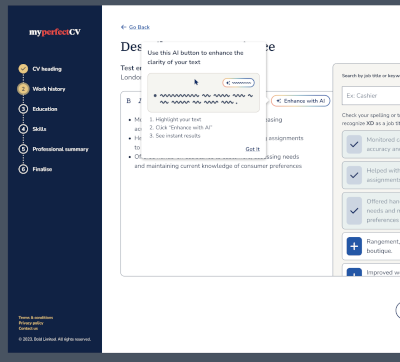
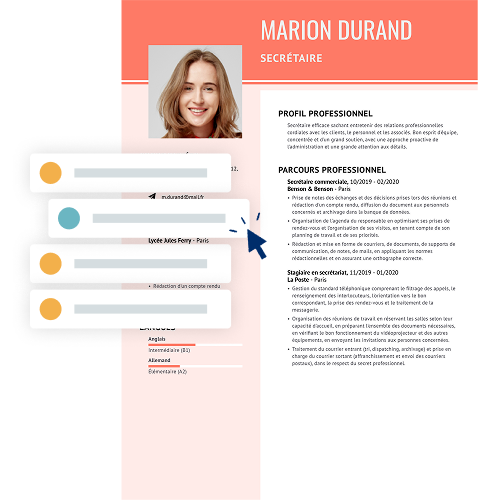
Smarter writing with built-in AI
Get instant, high-quality text suggestions tailored to your specific industry.
What to do before choosing your interview outfit
Before you start ironing shirts or picking out shoes, take a moment to understand where you’re interviewing. Every company has its own culture, and your interview outfit should reflect it.
Research the company beforehand, starting with the website and social media profiles. Look at employee photos, LinkedIn profiles, and recent posts. Are people dressed in formal business wear, smart casual, or something more relaxed? For example, a finance firm in the city will expect a polished suit, while a tech start-up might prefer something more laid-back.
You can also research the industry standard. Creative fields like marketing or design often value individuality, while legal, banking, and consulting firms tend to expect more traditional attire.
Interview dress codes and outfit styles
What works for a corporate law firm won’t fit in at a creative agency or a tech start-up. Just like you need to learn how to write a targeted CV for specific jobs, you also need to tailor your outfits for each interview.
Think of your outfit as a combination of three key elements: clothing, accessories, and footwear.
- Clothing: The foundation of your interview look. Choose clean and well-fitted pieces. Jackets, blazers, trousers, blouses, or button-down shirts are reliable options. Avoid anything overly casual, like ripped jeans, slogan T-shirts, or hoodies, unless you’re certain the company culture allows it.
- Accessories: Keep them minimal and intentional. A watch, simple jewellery, or a sleek belt will elevate your outfit instead of becoming a distraction. Flashy accessories can pull focus, so it’s best to err on the side of subtlety.
- Footwear: Shoes complete your outfit, and they get noticed more often than you think. Polished shoes, loafers, or smart flats work for most formal settings, while neat trainers or ankle boots can suit casual interview outfits.
Now, let’s discuss the main interview outfit styles:
Business formal interview outfits
Business formal is the most polished and professional dress code, typically expected in traditional industries like law, banking, government, or corporate consulting. It conveys authority, reliability, and expertise. If the company culture is conservative, this is the safest choice.
Examples may include:
- For men: A dark, well-fitted suit in navy, charcoal, or black with a white or pale blue shirt, a subtle tie, and polished leather shoes. Add a belt that matches your shoes.
- For women: Either a blazer with trousers or a knee-length skirt, paired with a neutral blouse and closed-toe heels or flats. Keep jewellery minimal.
Business casual interview outfits
Business casual strikes a balance between formality and comfort. It’s the most common interview dress code today, especially in marketing, education, administration, and tech. If you have no clue as to how formally you should dress for an interview, a business casual outfit is the safest bet.
Examples may include:
- For men: Chinos or dress trousers paired with a button-up shirt and an optional blazer. Brown loafers or brogues keep the look polished but relaxed. Skip the tie unless you want to lean more formal.
- For women: Chino trousers in a neutral colour paired with a striped long-sleeve Breton top. A structured, collarless jacket can complete the outfit, with classic leather loafers or espadrille wedges to maintain comfort and style.
Smart casual interview outfits
Smart casual is the most relaxed of the three, but it doesn’t mean you can just wear anything you put on yourself while blindfolded. It’s ideal for creative fields, start-ups, and casual workplaces. The goal is to look neat and professional, while showing your unique personality.
Examples may include:
- For men: Dark jeans or chinos, a crisp shirt or polo, and a lightweight blazer or jumper. Pair with clean, stylish trainers or loafers.
- For women: Tailored trousers or dark jeans, a smart blouse or top, and a blazer or neat cardigan. Stylish flats, ankle boots, or clean trainers can complete the look while keeping things modern and comfortable.
Interview outfits for women
Choosing the right interview outfit for women is about blending professionalism with authenticity. You want to look professional and capable, but still be yourself. Regardless of the dress code, these are the key elements every woman should keep in mind:
1. Tops and blouses
Opt for clean, well-fitted tops in neutral or muted tones: white, cream, navy, or pastels work well. A structured blouse, button-up shirt, or fine-knit top gives a polished look. Avoid low necklines or sheer fabric. Patterns are fine as long as they’re subtle and not distracting.
2. Jackets and blazers
A tailored blazer instantly makes any outfit look professional. For business formal interviews, go for a matching suit set. When dressing in business casual or smart casual style, you can mix textures or colours. For instance, pairing a navy blazer with grey trousers. Choose cuts that complement your shape but still allow for movement and comfort.
3. Trousers, skirts, and dresses
Tailored trousers, midi skirts, or knee-length dresses are timeless options. Pencil skirts remain a classic for formal roles, while wide-leg trousers give a more modern, relaxed vibe. If you opt for a dress, ensure it’s not too short or overly tight. A simple belt can help add interest.
4. Footwear
Closed-toe shoes, such as loafers, low heels, or smart flats, work best. Avoid very high heels that make a ton of noise when walking, flip-flops, or casual shoes that look out of place with the rest of the outfit. For smart casual interviews, ankle boots or minimalist trainers can be a good choice.
5. Accessories and jewellery
Less is more. Stick to a few subtle pieces, such as a simple necklace or small stud earrings. A classic watch or a professional handbag can complete your look. Avoid anything that makes a lot of noise when you move, as well as pieces that reflect light a lot.
6. Hair, makeup, and nails
Keep grooming tidy and natural. Your hair should be clean, styled, and away from your face. Light, professional makeup works best. Think natural tones and soft finishes. Nails should be clean and manicured, with neutral or clear polish. Avoid long and sharp nails that could rival Wolverine’s adamantine claws.
Interview outfits for women—examples
- For a classic corporate look, wear a tailored suit in charcoal grey or navy with a simple cream silk shell top underneath, completed with black leather closed-toe pumps and a long wool coat for the journey.
- In spring or autumn, opt for a structured, knee-length sheath dress in a deep colour like burgundy or forest green, layered with a tailored grey or beige blazer, and paired with classic nude heels and a leather tote.
- Choose a sophisticated wool-blend pencil skirt suit, worn with a soft, fine-gauge camel sweater tucked in, and finished with polished block heels and sheer black tights for warmth.
- For a modern business casual setting, pair well-fitted, high-waisted black trousers with a fluid silk blouse in a jewel tone, a sharp blazer, and stylish leather loafers or smart ankle boots.
- Create a chic monochrome fit using varied textures, such as black wool trousers, a silk-cashmere blend sweater, and a matching structured blazer, all pulled together with polished black ankle boots.
- Combine a pleated midi skirt in a heavier fabric with a fitted merino wool turtleneck tucked in, worn with knee-high leather boots and a smart, belted wool coat for a polished and warm outfit.
- For a creative or startup role, wear high-quality dark-wash straight-leg jeans with a simple white blouse and a distinctive check-patterned blazer, completed with clean, minimalist leather trainers or loafers.
- Style a pair of flowing, wide-leg camel trousers with a slim-fitting black ribbed-knit top to balance the silhouette, complemented by pointed-toe ankle boots and a minimalist piece of jewellery.
- For an academic or non-profit interview, project an approachable yet professional image with olive green corduroy trousers, a crewneck sweater layered over a crisp collared shirt, a herringbone blazer, and smart leather brogues.
- A practical and stylish option is a long-sleeved A-line wool dress that falls below the knee, paired with comfortable yet elegant leather riding boots and a simple belt to define the waist.
Interview outfits for men
The right job interview outfit for men should communicate confidence, professionalism, and respect for the company you want to join. Here’s how to compose an outfit step-by-step:
1. Shirts and tops
A crisp, clean shirt is the foundation of a great interview outfit. Stick to neutral colours like white, light blue, or pale grey. Patterns such as fine stripes or checks can work, but keep them subtle. Some patterns look like those images showcasing optical illusions, and you really should avoid them.
Always make sure your shirt is ironed and fits well across the shoulders and chest. For smart casual interviews, a polo shirt or a well-fitted crew neck jumper layered over a collared shirt is a perfect choice.
2. Jackets and blazers
A blazer instantly elevates your look. For business formal interviews, opt for a matching suit jacket and trousers in navy, charcoal, or black. For business casual, a stand-alone blazer in grey, navy, or tweed pairs nicely with chinos or dark trousers.
3. Trousers
Choose trousers or chinos that are not too tight and not too loose. Neutral tones like black, navy, beige, or grey are always safe bets. Dark jeans with a structured blazer can work if the environment is a bit more relaxed, but they must be clean and free from rips or fading.
4. Footwear
Stick with classic options such as brogues, Oxfords, or loafers in black or brown. If you’re going for a smart casual look, minimal trainers or desert boots are acceptable. Always spend some time cleaning and polishing them, and match your belt to the colour of your shoes.
5. Accessories
Keep it simple and purposeful. A wristwatch, a leather belt, and perhaps a discreet pocket square are enough. If you have piercings, choose smaller, less distracting jewellery pieces.
6. Grooming and presentation
A well-groomed appearance speaks volumes about professionalism. Make sure facial hair is tidy, hair is clean and styled neatly, and nails are trimmed and clean. Take a shower and apply deodorant before an interview.
Interview outfits for men—examples
- For a traditional corporate interview, wear a well-fitted suit in classic navy blue or charcoal grey with a crisp white dress shirt, a conservative silk tie in burgundy or blue, and polished black leather Oxford shoes, arriving in a smart wool overcoat.
- A modern business formal look consists of a slim-fit grey suit paired with a light blue dress shirt, a subtly patterned tie, and dark brown leather Derby shoes, which offers a slight variation from the most traditional attire.
- The quintessential business casual outfit involves pairing a tailored navy blazer with grey wool or flannel trousers, a crisp white open-collar shirt, and finishing the look with brown leather brogues or loafers for a polished yet approachable feel.
- Embrace the autumn season by wearing smart, dark brown trousers with a light blue button-down shirt, layered under a fine-gauge merino wool sweater in a complementary colour like grey or oatmeal, and completed with brown suede Chukka boots.
- For tech or startup interviews, opt for a pair of clean, dark-wash jeans (with no fading or rips) or tailored chinos, a quality Oxford cloth button-down shirt, an unstructured navy or grey blazer, and smart, minimalist leather trainers.
- Project a sophisticated, creative style by pairing slim, tailored trousers with a fine-knit merino wool turtleneck in black or charcoal, worn under a structured blazer and completed with sleek leather Chelsea boots.
- A reliable choice without a full suit is a pair of tailored grey trousers with a freshly pressed white shirt, a V-neck cashmere sweater, and polished dark leather shoes.
- For academic or non-profit roles, consider beige or olive green chinos with a classic button-down shirt, layered under a tweed or corduroy sport coat for a textured, intellectual look, and finished with comfortable yet smart desert boots.
- An effective and simple outfit is a pair of well-pressed wool trousers and a high-quality dress shirt, forgoing a blazer in favour of a trench coat worn for arrival, and paired with classic leather dress shoes.
- Show personality in a business formal setting with a subtle Prince of Wales check or faint pinstripe suit, grounded with a solid white or light blue shirt, a simple Grenadine tie, and classic black or dark brown dress shoes.
Seasonal interview outfit tips
Interviews happen all year round, and the weather can easily throw your outfit plans off course. Luckily, it’s easy to adapt, no matter the weather. As someone living in a temperate climate, with significant temperature variations between cold winters and warm summers, I prepared a few tips for each season:
Spring interview outfit tips
- Prepare for the unexpected. Spring weather changes quickly. Pair a t-shirt or blouse with a cardigan, denim jacket, or a light blazer. You can easily add or remove a layer as the day warms up or cools down. Pack a small, foldable umbrella to have it on you in case of rain.
- Introduce lighter colours. Swap dark winter shades for pastels, soft neutrals, and brighter hues. Think light blue, mint green, beige, and blush. This makes your look feel fresh for the new season.
- Choose breathable fabrics. Switch from heavy wools to materials like cotton, merino wool, and linen blends. These fabrics offer comfort and adapt well to fluctuating spring temperatures.
- Refresh your footwear. Put away heavy winter boots. Step into loafers, clean trainers, or brogues. Choose closed-toe options that can handle unexpected spring showers.
Summer interview outfit tips
- Prioritise lightweight fabrics. Your best friends are linen, seersucker, and light cotton. These materials breathe well and help you stay comfortable in the heat.
- Opt for a relaxed fit. Avoid tight clothing that will trap heat. Choose well-tailored but slightly looser cuts. This allows air to circulate and keeps you feeling and looking cool.
- Wear light colours to stay cool. White, beige, sky blue, and other light shades reflect sunlight. A wardrobe built on these colours is both practical and stylish for the season.
- Accessorise wisely. Protect yourself from the sun in style. A good pair of sunglasses or a stylish hat can greatly enhance your overall appearance.
Autumn interview outfit tips
- Embrace rich textures. This is the key to great autumn style. Mix different materials like wool, corduroy, cashmere, tweed, and leather. Combining textures adds depth and interest to your outfits.
- Build an earthy colour palette. Take inspiration from the season’s colours. Focus on shades like burgundy, forest green, mustard yellow, camel, and deep browns. These colours work well together.
- Use smart, warm layers. Start with a quality shirt or blouse. Add a fine-gauge sweater or a vest. Top it off with a sport coat or a stylish trench coat. Each layer should look good on its own.
- Invest in quality boots. A good pair of boots elevates any autumn outfit. Chelsea boots, chukka boots, or classic leather brogue boots are versatile, durable, and stylish choices.
Winter interview outfit tips
- Make your coat the statement piece. Your outerwear is the first thing people see. Invest in a high-quality, well-fitting wool overcoat or a technical parka.
- Layer with thin, warm fabrics. Two thin layers are often warmer than one bulky one. Use base layers made of merino wool or other modern thermal fabrics. They provide excellent warmth without putting on unnecessary weight and bulk.
- Use functional accessories. Scarves, gloves, and hats are necessities that also add style. A cashmere scarf, leather gloves, or a simple beanie can add a pop of colour while keeping you warm.
- Focus on warm, durable materials. Choose fabrics designed for the cold. Heavy wool, flannel, and cashmere are excellent choices for sweaters, trousers, and suits. They provide insulation and have a rich, classic look.
What not to wear to an interview
No matter how qualified you are, a poor first impression can be hard to undo. Knowing what not to wear to an interview is just as important as knowing what to wear. I compiled some of the most common outfit mistakes job seekers make, and how to avoid them:
- Turning up in ripped jeans, shorts, hoodies, or graphic T-shirts can suggest a lack of effort or respect for the opportunity. When deciding what to wear for an interview, remember the “one step above” rule: Dress just one level more formal than what you’d wear to the job itself.
- The opposite mistake can be just as harmful. Wearing a full three-piece suit to a casual start-up interview might make you seem out of touch or overly rigid. Similarly, avoid loud colours, sequins, or shiny fabrics.
- An otherwise great outfit can fall flat if it doesn’t fit well or looks unkempt. Interview clothes that are too tight, too loose, or obviously creased can appear sloppy. Always try your outfit on ahead of time, check for stains, and iron or steam it before your interview.
- Smelling good is fine, but smelling loud is not. Many people are sensitive to strong scents, and a heavy perfume or aftershave can make the interview uncomfortable for the recruiter. Use fragrance sparingly or skip it altogether.
- Your shoes say a lot about your attention to detail. Dirty trainers or scuffed shoes can undermine an otherwise sharp outfit. Always clean and polish your footwear.
- Interviews are not the place to experiment with bold trends or revealing cuts. Crop tops, short skirts, or see-through fabrics can come across as unprofessional. Don’t fall for the “Office Siren” TikTok trends, unless you really don’t want to hold a job.
- Large logos, sportswear branding, or clothing with slogans can seem casual or unprofessional. Plain, logo-free clothing is your best choice most of the time.
What to wear to an online interview
Even though an online interview happens from the comfort of your home, it’s still a professional meeting, and what you wear can shape the impression you make. Since a lot of virtual interviews happen for remote jobs, candidates tend to dress more casually, which can be a trap.
Dressing appropriately shows respect, helps you feel confident, and signals that you’re taking the opportunity seriously. Here’s how to choose the perfect video interview outfit:
- Dress professionally: It’s tempting to wear pyjamas when you know the camera won’t see them, but it’s best to dress fully. You never know when you might need to stand up unexpectedly. Choose a neat, professional top like a button-down shirt, blouse, or smart knit; something you’d wear to an in-person meeting.
- Pick solid colours: Cameras don’t handle patterns well. Stripes, checks, or florals can look distorted or distract the interviewer. Stick to solid colours like navy, soft blue, white, or pastel shades. Avoid bright red or neon colours, which can look harsh on camera.
- Choose comfortable clothing: You’ll likely sit for 30–60 minutes, so make yourself comfortable. Choose breathable fabrics and avoid clothing that restricts movement. Layer smartly. If you’re prone to getting warm under stress, skip thick blazers and opt for lightweight materials.
- Pay attention to grooming and lighting: Make sure your hair is tidy and your face is well-lit. Natural light is best, but if that’s not possible, use a soft lamp to avoid harsh shadows. Keep makeup natural and professional. If you wear glasses, adjust your lighting to reduce glare.
- Test your look on camera beforehand: Open your video app and check how you appear on screen. Make sure your outfit looks sharp, the colours translate well on camera, and there’s no visual clutter behind you.
Key Takeaways
- Dress for the company culture: Research the organisation to match your outfit to its level of formality. Aim to look like you already belong there.
- Keep it neat and professional: Well-fitted, wrinkle-free clothing is always a must, no matter the dress code.
- Less is more: Choose simple accessories, tidy grooming, and neutral, or season-fitting colours.
- Comfort equals confidence: Wear something you can move and breathe in. You’ll appear more relaxed and self-assured.
- Mind the small details: Clean shoes, subtle fragrance, and well-kept nails make a bigger impression than most people realise.
- Plan ahead: Prepare your outfit the night before and test how it looks.
- Adapt to the season: Dress appropriately for the weather.
FAQ: What to wear to an interview
Should I cover my tattoos or remove piercings for an interview?
It’s often best to be cautious for a first interview. Try to research the company’s culture to get a feel for its work environment. If you’re unsure, consider covering visible tattoos with clothing, such as wearing long sleeves under a blazer. For piercings, you might swap larger jewelry for small, simple studs.
What are some good plus-size interview outfits?
Great job interview outfits for plus-size individuals focus on excellent fit and confidence, just like for any body type. A well-structured blazer paired with tailored wide-leg or straight-leg trousers is a powerful and classic choice. You could also choose a structured sheath dress or a classic wrap dress in a high-quality fabric.
The most important tip is to ensure your clothes fit perfectly, so consider having key pieces tailored to your exact body type and shape.
Do I need to wear a tie to every interview?
No, you don’t need a tie for every job interview today. For traditional fields like finance, law, or corporate consulting, you should absolutely wear one as it is still the standard. However, for most business casual, tech, or creative roles, a tie is not necessary.
Mariusz Wawrzyniak
Senior Content Writer
Mariusz is a career expert at My Perfect CV who writes practical, research-based guides that help professionals from all industries craft impactful CVs, write compelling cover letters, and advance their careers.


*The names and logos of the companies referred to above are all trademarks of their respective holders. Unless specifically stated otherwise, such references are not intended to imply any affiliation or association with myperfectCV.