
The employee benefits that matter most in 2026
Boost your wellbeing and career satisfaction. Discover the best employee benefits UK workers value most to secure a positive and balanced working life today.


Our customers have been hired by : *Foot Note
Employee benefits play a far bigger role in working life than many people realise. Although salary often takes centre stage, the extra perks included in a role can have a greater impact on daily routines, overall well-being and long-term financial security.
When comparing opportunities or considering a career move, it helps to understand which benefits deliver the greatest value. Some perks offer greater freedom over how and where work happens, while others provide meaningful support for health, family life, or professional growth.
In this guide, you will find:
- A clear explanation of what employee benefits are and how they work
- The main types of benefits employers offer
- The top employee benefits people value most in 2026
- Tips for comparing packages and choosing the perks that suit your lifestyle and goals
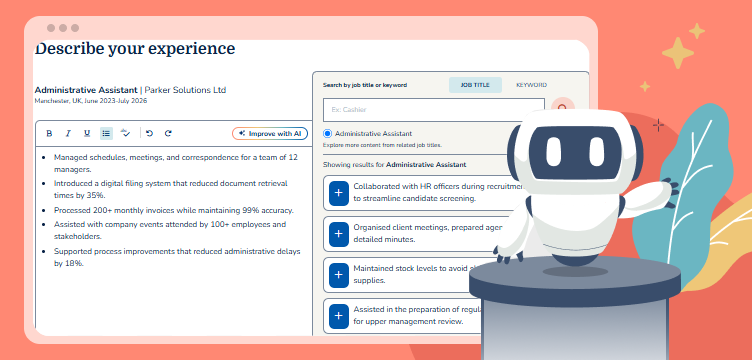
Smarter writing with built-in AI
Get instant, high-quality text suggestions tailored to your specific industry.
What are employee benefits?

Employee benefits are the perks and rewards you receive in addition to your salary. They are designed to support your wellbeing, make work more sustainable and help you feel valued in your role. In the UK, benefits can range from financial perks like pension contributions to lifestyle advantages such as flexible hours, health cover or learning budgets.
Some employee benefits are statutory, meaning employers must provide them by law, including paid holiday, sick pay and parental leave. Others are optional, and these can vary widely between companies. Optional benefits are often the ones that make the biggest difference when comparing job offers, as they reflect the organisation’s culture, priorities and commitment to its people.
Types of UK employee benefits (quick overview)
Most employee benefits fall into a few broad categories. Understanding these can make it easier to compare job offers and see where an employer invests in their people.
1. Financial benefits
These support your long-term financial stability and may include:
- Pension contributions
- Bonuses or profit-sharing
- Overtime pay
- Income protection or life insurance
- Share schemes or equity
2. Health and well-being benefits
Designed to keep you healthy and supported, such as:
- Private medical or dental insurance
- Mental health support (counselling, therapy apps, EAPs)
- Wellness allowances or gym memberships
3. Work–life balance and time off
These benefits help you balance work with life outside it:
- Flexible hours or remote/hybrid working
- Paid holiday and enhanced sick pay
- Parental leave, career breaks or sabbaticals
4. Learning and development
Perks that help you grow professionally:
- Training budgets
- Funded qualifications or certifications
- Access to learning platforms and mentoring
What UK employees value most in 2024–2025
Recent research shows a clear shift towards benefits that support work–life balance, financial security and sustainable living. The Electric Car Scheme surveyed more than 1,000 UK full-time employees to identify the benefits workers value most today.
| Rank | Benefit type | % Valuing this | Key insight |
| 1 | Overtime pay | 45.6% | Driven by cost-of-living pressures; highest among older workers |
| 2 | Extra holidays | 43% | Reflects high burnout rates and desire for “time wealth” |
| 3 | 4-Day work week | 40.4% | The most desired “new” benefit; viewed as the future of work |
| 4 | Generous pension | 39.2% | Long-term security focus; critical for retention of experienced staff |
| 5 | Remote working | 38.5% | Now a baseline expectation rather than a “perk” |
| 6 | EV charging/scheme | 37.1% | High tax efficiency makes this financially attractive |
| 7 | Flexibility | 32% | Valued specifically for work-life balance management |
This research highlights clear themes: employees want fair compensation for extra hours, more time off, flexibility, strong pensions and support for health and wellbeing. Based on these insights — and broader workplace trends going into 2026 — these are the benefits that tend to deliver the most value.
1. Overtime pay and fair compensation for extra hours
Overtime pay is the UK’s most valued benefit because many employees feel workload expectations have increased without fair compensation. Properly paid overtime acknowledges the extra effort employees put in and helps prevent burnout. It also reflects a healthy workplace culture that respects boundaries, especially in industries where long hours are standard.
2. Extra holiday entitlement
More paid time off has become a priority as UK workers face higher stress levels, rising living costs and less free time overall. Extra annual leave, wellbeing days or buy/sell holiday schemes give people more space to rest, spend time with family or simply decompress — all essential for good mental health in a fast-paced working environment.
3. 4-day working week
The 4-day week appeals to many employees because trials across the UK have shown reduced stress, improved well-being and no drop in productivity. With commuting costs rising and work pressures increasing, shorter weeks give people more time for life admin, childcare, exercise or rest — without sacrificing earnings.
4. Strong pension contributions
With the cost of living increasing and concerns about future financial security growing, a strong pension has become a major deciding factor for employees. Employers who contribute more than the 3% legal minimum help build long-term stability and reduce the burden on workers during retirement, making this a highly valued benefit at any stage of a career.
5. Flexible schedules
Flexible working is becoming essential as commuting, childcare and living costs rise. Being able to adjust your hours helps people manage school runs, appointments or personal responsibilities without using annual leave. It also allows employees to work when they feel most productive, improving both performance and well-being.
6. Private healthcare and insurance
Pressure on NHS waiting times means many employees value faster access to medical support. Private healthcare, dental cover, and life insurance provide peace of mind and help employees address health issues quickly, so they can return to work feeling supported. This benefit is increasingly important for parents, carers and those with chronic health concerns.
7. Early finish Fridays
While simple, early finishes signal a culture that values work–life balance. They help employees switch off, avoid rush-hour travel and end the week on a positive note. In workplaces where Friday afternoons can feel unproductive, finishing early can boost overall morale and reduce burnout.
8. Employee discounts and cost-of-living support
With inflation and everyday expenses rising, cost-of-living benefits make a noticeable difference. Subsidised meals, travel discounts or retail savings can ease financial pressure and help employees feel supported during tougher economic periods.
9. Remote work from anywhere
Remote work remains highly valued as housing costs, rent and transportation expenses continue to rise across the UK. Working from anywhere reduces commute costs and gives employees access to roles outside their local area — a major advantage for people in regions with fewer well-paid opportunities. It can also support a better quality of life by allowing temporary relocation or extended travel.
10. Online training and development
Online learning is more important than ever as employees prepare for a rapidly changing job market. With automation and AI reshaping roles, many professionals want access to courses that help them upskill, stay competitive and reduce the risk of redundancy. Training benefits signal that an employer is invested in your long-term career, not just your current role.
Additional modern benefits worth considering
While these employee benefits didn’t appear in the survey’s top 10, they are becoming increasingly valuable in UK workplaces. They reflect changing family structures and a stronger focus on health, inclusion and long-term wellbeing.
Enhanced maternity, paternity and parental leave
Stronger parental leave policies reduce financial pressure and make returning to work smoother. They’re increasingly valued as families share childcare more equally.
Childcare support or workplace nursery schemes
With childcare costs among the highest in Europe, financial or practical support can have a huge impact. These benefits help parents stay in work and reduce day-to-day stress.
Mental health support and wellbeing budgets
Access to counselling, wellbeing apps or funded support shows an employer takes mental health seriously. It’s especially important as burnout and stress levels rise across the UK.
Fertility, menopause and reproductive health benefits
Support for IVF, menopause care or reproductive health makes workplaces more inclusive. These benefits recognise real health needs that often affect careers.
Flexible benefits allowances
A personalised allowance lets employees choose the perks that suit their lifestyle. It’s a modern, adaptable alternative to one-size-fits-all packages.
Sustainable workplace perks
EV schemes, Cycle to Work and green office policies appeal to employees who value sustainability. They also help reduce commuting costs and environmental impact.
How to compare employee benefits packages
When you’re deciding between job offers, it helps to look beyond the headline salary and assess the full package. A role with better benefits can often provide greater long-term value, even if the base pay is similar.

1. Look at total compensation, not just salary
Factor in pension contributions, bonuses, overtime rates, healthcare and holiday entitlement. These can make a significant difference to your financial well-being over time.
2. Compare flexibility and working patterns
Check whether the role offers remote options, flexible hours or compressed weeks. These benefits can improve your quality of life more than a small salary increase.
3. Review family and lifestyle support
Consider childcare help, enhanced parental leave or wellbeing allowances. These perks reduce stress and support you through key life stages.
4. Assess health and well-being benefits
Private healthcare, mental health support and wellness budgets show an employer invests in long-term wellbeing. This can be particularly valuable if NHS waiting times affect your access to care.
5. Consider career development opportunities
Training budgets, online courses and progression frameworks can help you grow your skills. If you’re planning a career move, development benefits may matter more than day-to-day perks.
6. Think about small business benefits
Smaller employers may not offer extensive packages but often provide more flexibility, closer collaboration and faster progression. Look for signs of support, even if the benefits list is shorter.
How to talk about benefits during your application process
Asking about benefits doesn’t have to feel awkward. It’s an important part of understanding exactly what you’re getting, and it helps you decide whether a role truly supports your wellbeing and long-term goals. After all, work takes up a significant part of your life, so the package should align with what you need to thrive.

1. Wait until you’re further along in the process
Early interview questions focus on your skills and fit. It’s usually best to ask about benefits once you’ve reached the later stages or received a conditional offer.
2. Ask for a full breakdown of the package
If details aren’t included in the job posting, it’s reasonable to request a benefits summary. This helps you compare roles fairly and avoid surprises later.
3. Prioritise what matters most to you
Think about your non-negotiables — whether that’s flexibility, parental support, healthcare or progression. This makes conversations clearer and more confident.
4. Be open, positive and professional
Frame your questions around what helps you do your best work, rather than what you “want”. For example: “Could you share how your flexible working policy works in practice?”
5. Know what’s negotiable
While salary isn’t always flexible, some benefits can be — like start times, remote working arrangements or additional annual leave. It’s fine to ask, as long as you do so respectfully.
FAQs about employee benefits in the UK
What are employee benefits?
Employee benefits are the perks and rewards you receive on top of your salary, such as pensions, paid holidays, flexible working, healthcare and learning opportunities. They form part of your total compensation and vary widely between employers.
What are examples of employee benefits?
Common employee benefits examples include pension contributions, private healthcare, life insurance, extra holiday entitlement, remote working, wellbeing allowances, childcare support and training budgets.
What is an employee benefits package?
An employee benefits package is the full collection of perks an employer offers. This may include financial benefits (like pensions and bonuses), health cover, flexible working, insurance and development opportunities. Comparing packages can help you understand the true value of a job offer.
Are employee benefits mandatory in the UK?
Only some benefits are mandatory, such as paid holiday, statutory sick pay, parental leave and workplace pension enrolment. Everything else — from private healthcare to flexible working policies — is offered at the employer’s discretion.
What is an employee benefits scheme?
An employee benefits scheme is the structured way an employer organises and delivers its benefits. This can include insurance plans, wellbeing programmes or salary sacrifice options like Cycle to Work or EV schemes.
What is an employee benefits platform?
An employee benefits platform is a digital system employers use to manage and personalise benefits. It can allow employees to choose flexible perks, track allowances or access discounts in one place.
What are the best employee benefits for small businesses?
Small businesses may not offer large corporate packages, but they often provide valuable perks such as flexible working, extra holiday, learning opportunities and a supportive team culture. Some also use benefits platforms to offer discounts, wellbeing budgets or childcare support.
What are green employee benefits?
Green benefits are perks that support sustainability, such as EV salary sacrifice schemes, free EV charging, Cycle to Work, public transport subsidies or environmentally focused volunteering days. These benefits are increasingly important to UK workers.
Key takeaway
Employee benefits are a major part of any job offer, shaping everything from your work–life balance to your long-term financial security. Understanding what employers provide — and which perks matter most to you — makes it easier to choose roles that support your wellbeing, growth and overall happiness at work.
If you’re exploring new opportunities, your CV is still the first step. With My Perfect CV, you can create a professional CV that reflects what you’re looking for in your next role and helps you attract employers who offer the benefits you value most. Our expertly designed CV templates and personalised content give users a 42% higher response rate and a 30% greater chance of getting hired, helping you make the most of every application.
Andrew Smith
Senior Content Writer
Meet Andrew Smith – an accomplished English copywriter with a strong background in SEO optimisation. Passionate about producing engaging content, Andrew has written across various fields, including health and fitness, security, travel, and tourism.







*The names and logos of the companies referred to above are all trademarks of their respective holders. Unless specifically stated otherwise, such references are not intended to imply any affiliation or association with myperfectCV.