
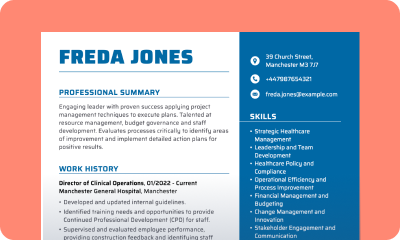
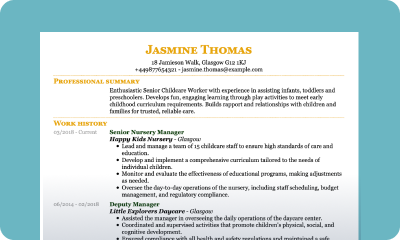
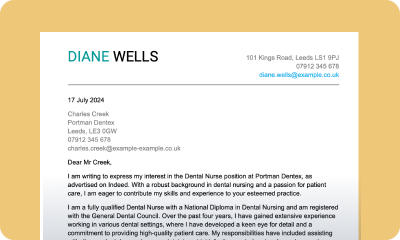
The best fonts to choose for your cover letter
Make a lasting first impression with professional readability. Choose the best font for cover letter to ensure your application stands out and gets noticed today.

Our customers have been hired by : *Foot Note
Choosing a font may seem like a minor detail, but it can significantly impact how your cover letter is perceived. A clear, professional font keeps the focus on your words and makes your letter easier to follow. This guide walks you through safe, recruiter-approved font choices and simple formatting tips to help you write a cover letter.
Why cover letter font matters
Before we get into specific recommendations, let’s look at why choosing a font is so important. Think of it as dressing for a job interview – you want to look elegant and professional. The type of font you choose sends a message of attention to detail and professionalism, so get it right.
- Demonstrates professionalism: In a professional environment, the font you choose for your cover letter reflects your attention to detail and level of professionalism. Choosing a clean and well-designed font indicates that you are serious about your job application and that you have put effort into presenting yourself in the best possible way.
- Influences readability: The main purpose of a cover letter is to communicate information about yourself and your qualifications to the hiring manager. You want to choose a font that is easy to read, therefore increasing the chances that your message will be understood clearly and effectively. Fonts with clear lettering and appropriate spacing make it easier to read and understand the text.
- Helps to make a good first impression: A cover letter serves as your first introduction to a potential employer. The font you select significantly affects the overall visual appeal of the document and influences the reader’s first impression of you as a candidate. A well-formatted cover letter with an appropriate font can capture the reader’s attention and create a positive first impression, preparing the ground for a positive evaluation of the application.
- Ensures consistency: Consistency in the choice of font in application documents, including the cover letter and CV font, is the key to creating a consistent and professional impression. Matching fonts in your documents reinforces your personal brand and ensures a consistent visual presentation. It also helps the reader navigate more smoothly through the application materials, enhancing overall readability and professionalism.
Choosing a font for your cover letter
When it comes to choosing a font for your cover letter, striking the perfect balance between style and practicality is key. After all, you want your letter to not only look neat and professional but also be effortlessly readable. Remember that while the font sets the scene, it’s the content that really steals the show.
Discover your matching cover letter font:
- Arial: Simple, clean and easy to read, the Arial font is the perfect choice for any cover letter. Its modern aesthetic retains a touch of sophistication without veering into overly trendy territory, making it equally at home on digital screens or on paper.
- Calibri: Exuding a friendly and approachable feel thanks to its rounded edges and spacious lettering, the Calibri typeface offers a contemporary yet professional look. Ideal for those who want to give their cover letter a touch of modern charm.
- Times New Roman: An icon of tradition and professionalism, Times New Roman exudes timeless elegance. Its classic serif design makes it a reliable choice, especially in conservative industries or when your preferred font remains a mystery.
- Garamond: For those who want to add a touch of sophisticated elegance to their cover letter, Garamond emerges as an impeccable choice. Its graceful lines and refined aura give it a touch of timeless sophistication, ensuring the letter will make a lasting impression in any setting.
- Helvetica: A sleek, highly readable sans-serif font with a professional, minimalist feel. Helvetica is widely used in business settings and works well for modern, clean cover letters.
- Georgia: A serif font designed for clarity on screens. Georgia combines traditional structure with improved readability, making it a strong choice for professional roles that favour a classic look.
- Verdana: Created specifically for on-screen reading, Verdana features wide spacing and clear letter shapes. It’s ideal for online applications where readability is a top priority.
Fonts to avoid in a cover letter
Some fonts can make your cover letter harder to read or appear unprofessional, even if the content itself is strong. To keep the focus on your message, it’s best to avoid fonts that distract or reduce clarity.
- Comic Sans and similar casual fonts: Casual fonts give the impression of informality and are rarely appropriate for professional communication. Using them can undermine the seriousness of your application.
- Uncommon or custom fonts: Fonts that aren’t widely supported may not display correctly when opened on another device. This can result in formatting issues or font substitutions that affect the layout of your cover letter.
- Script or handwritten fonts: While these fonts can look stylish, they are difficult to read in longer blocks of text. They also don’t align with professional expectations and can cause problems with older applicant tracking systems.
The art of cover letter formatting
In the journey of creating an exceptional cover letter, the choice of font is only the beginning. Paying careful attention to formatting is just as important. Here are some expert tips to start your cover letter on the right note:
- Font size: Aim for a font size between 10 and 12 points. This is the ideal balance, ensuring optimum readability without overwhelming the reader.
- Line spacing: Stick to single spacing or 1.15 line spacing. This keeps your letter compact while still giving the text room to breathe. Avoid large gaps between lines, which can make the letter feel padded.
- Margins: Standard 1-inch margins on all sides are a safe choice. If you need a little more space, you can reduce them slightly, but don’t go below 0.75 inches. Consistent margins help keep the layout clean and balanced.
- Text alignment: Always left-align your cover letter. Justified text can create uneven spacing between words, which hurts readability. Left alignment keeps the text natural and easy to scan.
- Cover letter length and structure: Aim for one page, with short paragraphs rather than long blocks of text. White space helps guide the reader and makes your letter feel approachable rather than dense.
- Proofreading: Put on your proofreader’s hat before sending your cover letter. Carefully review your document to catch any unbearable typos or grammatical errors that may have escaped your attention. A carefully crafted cover letter demonstrates attention to detail and a commitment to excellence.
By following these formatting tips, you will not only increase the visual appeal of your cover letter but also ensure that your message is conveyed in a clear and professional manner. So, with your chosen font and refined formatting, you are well-placed to make a lasting impression on potential employers.
Key takeaways
- Font choice matters. The font of your cover letter is more than just a stylistic choice; it has a significant impact on readability and influences the first impression you make on potential employers.
- Recommended fonts for your cover letter include Arial, Calibri, Times New Roman and Garamond, each of which offers a unique combination of legibility, professionalism and style.
- The formatting of the letter is also important. In addition to font choice, meticulous attention to formatting is essential to creating a flawless cover letter. Consistent spacing, appropriate font size and accurate proofreading all contribute to the overall professionalism of the document, ensuring that the message is communicated clearly and effectively to potential employers.
Jagoda Jaskowicz
Senior Content Editor, Translator








*The names and logos of the companies referred to above are all trademarks of their respective holders. Unless specifically stated otherwise, such references are not intended to imply any affiliation or association with myperfectCV.