NHS CV Template & Examples
Secure your future in healthcare. Build a professional NHS CV that highlights your clinical expertise and lands you a role in the health service today.

- Our customers have been hired by : *Foot Note
If you’re applying for NHS jobs, using the right CV template can make a real difference. NHS recruiters look for clarity, structure, and evidence that you meet the role requirements. A professional NHS CV template helps you present your experience and skills in a clear, compliant way.
In this guide, you’ll learn:
- How to structure your application using a proven NHS CV template
- Which NHS CV format recruiters expect
- What to include in each CV section
- Ready-to-use NHS CV examples and templates
Smarter writing with built-in AI
Get instant, high-quality text suggestions tailored to your specific industry.
SEARCH ALL CV EXAMPLES
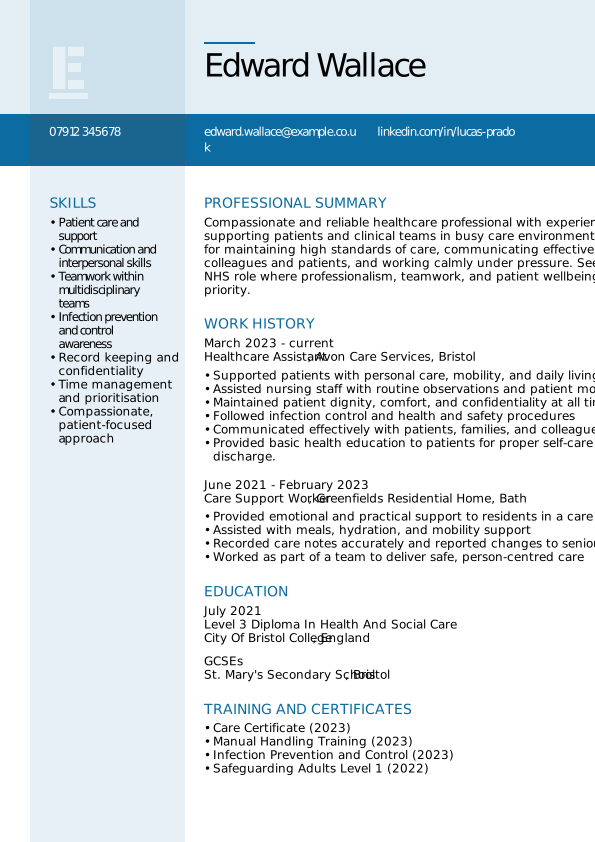
NHS CV example
Edward Wallace
07912 345678
edward.wallace@example.co.uk
PROFESSIONAL SUMMARY
Compassionate and reliable healthcare professional with experience supporting patients and clinical teams in busy care environments. Known for maintaining high standards of care, communicating effectively with colleagues and patients, and working calmly under pressure. Seeking an NHS role where professionalism, teamwork, and patient wellbeing are a priority.
WORK HISTORY
March 2023 – current
Avon Care Services – Bristol
Healthcare Assistant
- Supported patients with personal care, mobility, and daily living tasks
- Assisted nursing staff with routine observations and patient monitoring
- Maintained patient dignity, comfort, and confidentiality at all times
- Followed infection control and health and safety procedures
- Communicated effectively with patients, families, and colleagues
- Provided basic health education to patients for proper self-care post discharge.
June 2021 – February 2023
Greenfields Residential Home – Bath
Care Support Worker
- Provided emotional and practical support to residents in a care setting
- Assisted with meals, hydration, and mobility support
- Recorded care notes accurately and reported changes to senior staff
- Worked as part of a team to deliver safe, person-centred care
EDUCATION
July 2021
City of Bristol College, England
Level 3 Diploma in Health and Social Care
St. Mary’s Secondary School, Bristol
GCSEs
SKILLS
- Patient care and support
- Communication and interpersonal skills
- Teamwork within multidisciplinary teams
- Infection prevention and control awareness
- Record keeping and confidentiality
- Time management and prioritisation
- Compassionate, patient-focused approach
TRAINING AND CERTIFICATES
- Care Certificate (2023)
- Manual Handling Training (2023)
- Infection Prevention and Control (2023)
- Safeguarding Adults Level 1 (2022)
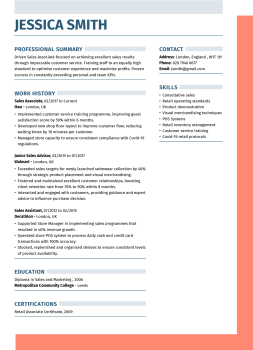
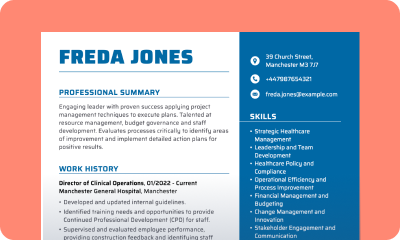
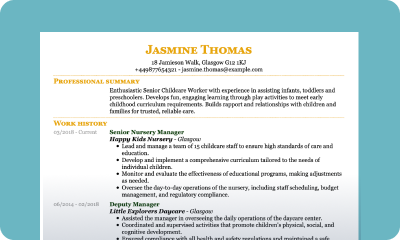
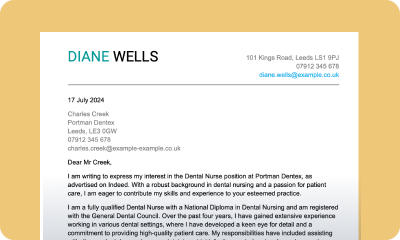
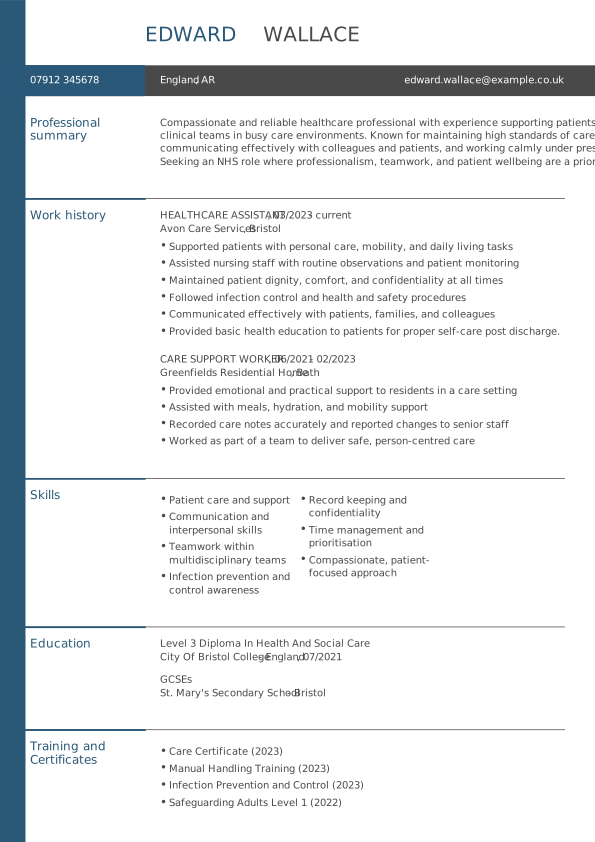
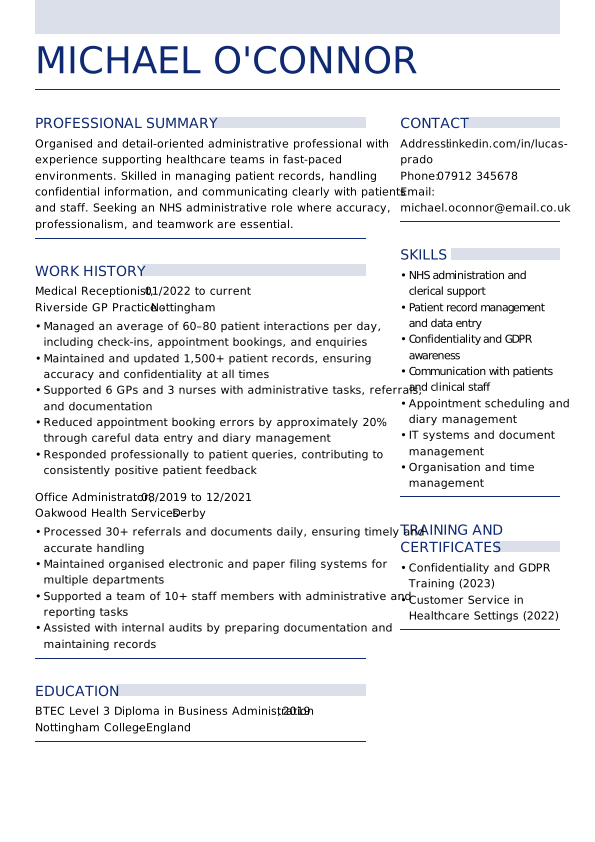
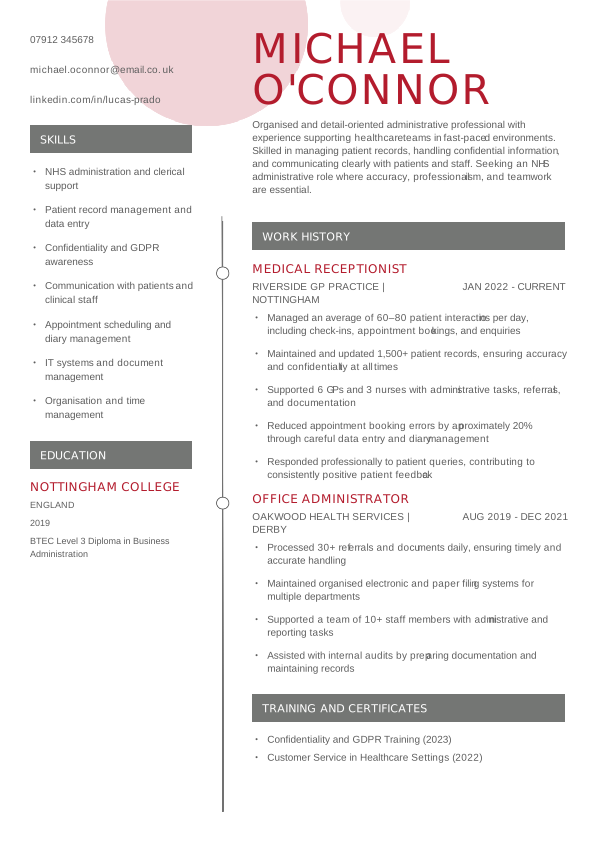
NHS CV templates
Choose from a range of professionally designed NHS CV templates, tailored for healthcare and support roles. Each template provides clean layouts, structured sections, and a professional, compliant design.
Every template is fully customisable, allowing you to adjust sections, fonts, and formatting to suit your experience, while maintaining a polished look that reflects the professionalism and high standards expected in the NHS.
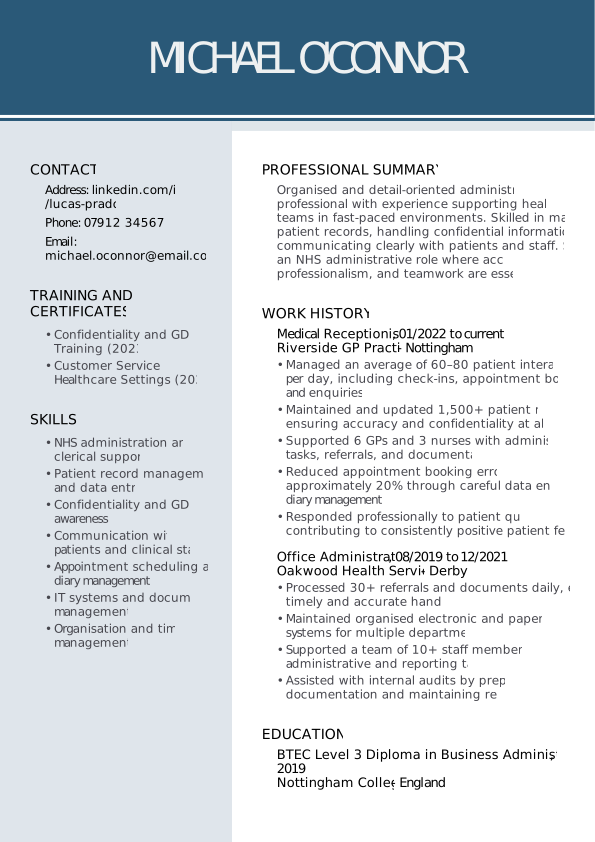
Best format for an NHS CV
Choosing the right format for your NHS CV is crucial to presenting your skills and experience in a way that aligns with the values and expectations of the healthcare sector. Whether you’re applying for a healthcare assistant position, a medical administrative role, or aiming for a more senior position, a well-structured CV can help recruiters quickly assess your suitability for the job.
There are two commonly used formats for NHS CVs: the skills-based CV and the reverse-chronological CV.
Skills-based CV format
The skills-based CV highlights your capabilities and strengths over your previous job titles. This format is ideal for individuals with limited healthcare experience, like some writing a healthcare assistant CV, or those making a career switch. It groups your key skills (e.g., patient care, communication, and teamwork) under specific headings, showing how you can contribute to patient care and support.
Use this format for your NHS CV if you want to:
- Focus on transferable skills like communication and patient support
- Emphasise relevant experiences, such as volunteering, school projects, or part-time roles
- Apply for entry-level NHS roles like healthcare assistant or administrative positions
This format is especially beneficial for students, school leavers, or anyone entering the NHS workforce for the first time.
Reverse-chronological CV format
The reverse-chronological CV is the most common format used in healthcare and NHS applications, especially for those with previous clinical experience or a background in patient-facing roles. It lists your most recent positions first, allowing recruiters to see your career progression and increasing responsibility.
Use this format in your NHS CV if you want to:
- Showcase your work experience in healthcare or patient-facing roles
- Demonstrate career development and increasing responsibilities in previous roles
- Emphasise your long-term commitment to healthcare service
This format works well for those with previous NHS experience or other healthcare roles, helping to demonstrate a clear career path in the sector.
NHS CV formatting tips
- Keep it to 1-2 pages: Your CV should be concise, highlighting the most relevant skills and experiences for the job
- Use clear headings: Organise your CV into sections such as your personal statement, skills, work experience, and qualifications.
- Avoid photos: NHS applications do not require photos, and they can distract from your qualifications and experience.
How to write a CV for the NHS
A strong NHS CV includes the same key sections found in most UK job applications, but with a focus on professionalism, patient care, and relevant healthcare experience. Your NHS CV should highlight your dedication to providing high-quality care, your skills, and your alignment with NHS values.
Key sections to include in your NHS CV:
- CV header (your name, contact details, and NHS registration, if applicable)
- Personal statement (a short profile about you and your healthcare values)
- Work experience (including healthcare-related roles and volunteer work)
- Skills section (both clinical and non-clinical skills)
- Education and qualifications (include healthcare-related certifications)
- Additional information (optional, such as languages spoken or training certifications)
For many applicants, NHS jobs are a great entry point into the healthcare sector, while others use them to build a long-term career. In the next sections, we’ll break down each part of the NHS CV step by step, including what to write and how to make every section stand out.
Step 1: Start with your contact information
Start your NHS CV with your contact details at the top, making it easy for recruiters to get in touch with you.
What to include:
- Full name: Write your first and last name clearly
- Location: Add your town or city (there’s no need for a full street address)
- Phone number: Use a personal mobile number that you check regularly
- Email address: Choose a short, professional email, such as firstname.lastname@email.com
- NHS registration (if applicable): Include your NHS registration number (e.g., NMC, HCPC) if relevant to your role
Optional links:
If you have a LinkedIn profile or professional portfolio, you can include that here as well, but it’s not essential for most NHS roles.
Example contact section
John Smith
London
07815 482 239
john.smith@email.com
Step 2: Write your NHS CV summary
The CV summary (also known as a personal statement) sits just below your contact details. It’s a brief paragraph that introduces who you are, highlights your key strengths, and explains what you’re aiming for in your healthcare career.
For an NHS CV, this section should focus on commitment to patient care, professionalism, and reliability rather than technical skills.
Be sure to include:
- Who you are – for example, “Compassionate and reliable healthcare professional with a focus on patient care.”
- Key strengths – for example, “Experienced in supporting patients, maintaining dignity, and collaborating with multidisciplinary teams.”
- Goal or focus – for example, “Seeking a healthcare assistant role in the NHS to contribute to patient wellbeing and support high-quality care.”
Tip: Always tailor the CV summary to the specific NHS role you’re applying for. Review the job description carefully and mirror relevant keywords like patient care, teamwork, communication, and professionalism.
Example CV summary
“Dedicated healthcare assistant with a strong focus on patient care, confidentiality, and team collaboration. Experienced in providing support to vulnerable patients, assisting with daily living tasks, and maintaining high standards of cleanliness and safety. Seeking a role in the NHS where compassion, reliability, and quality care are essential.”
Step 3: Describe your experience and contribution
The work experience section explains how you’ve applied your skills in real settings and contributed to safe, effective services. For NHS roles, recruiters look for evidence that you can follow procedures, work responsibly with others, and support people in a professional environment.
Experience doesn’t need to come only from paid healthcare roles. Many NHS applicants successfully demonstrate suitability through a mix of work, volunteering, and community-based experience, especially where it involves care, responsibility, or public interaction.
You can include:
- Paid healthcare or support roles
- Volunteering in care, community, or charity settings
- Customer-facing or service roles with transferable skills
- School, college, or placement experience involving responsibility or teamwork
The aim is to show that you can work reliably, follow guidance, communicate clearly, and contribute positively to a team — all essential for NHS jobs.
For each role or activity, include:
- Your role or responsibility
- The organisation or setting
- Dates of involvement
- Brief bullet points explaining your duties, impact, or learning
Writing tip: Focus on responsibility, outcomes, and standards. Clear, factual bullet points are more effective than long descriptions.
Example experience section
Care Support Volunteer
Age UK Community Services, Leeds
May 2023 – March 2024
- Supported older adults during community sessions and wellbeing activities
- Assisted with mobility support and ensured a safe, welcoming environment
- Communicated respectfully with service users and staff
- Followed safeguarding and confidentiality guidelines
Step 4: Identify your core skills
The skills section gives NHS recruiters a quick snapshot of how you work and the strengths you bring to a healthcare environment. This section is especially important if you’re early in your career or applying for your first NHS role, as it helps show your suitability beyond formal experience.
For NHS jobs, your skills should reflect both how you work with people and how you support safe, effective services. Keeping this section clear and focused makes it easier for recruiters to assess your fit for the role.
How to write it:
- Include 6–10 key skills in bullet point format
- Use short, clear phrases that are easy to scan
- Combine interpersonal skills with practical, role-relevant abilities
Examples of skills to include
Interpersonal and professional skills
- Compassionate communication
- Teamwork within multidisciplinary settings
- Reliability and professionalism
- Respect for confidentiality and dignity
- Willingness to learn and follow procedures
Practical and role-related skills
- Supporting patient care and wellbeing
- Record keeping and basic documentation
- Time management in busy care environments
- Health, safety, and infection control awareness
Step 5: Include your education and training
The education section outlines your academic history and any training that supports your suitability for NHS roles. While some positions require specific qualifications, many NHS jobs focus just as much on relevant training, foundational education, and a willingness to develop through ongoing learning.
List your education in reverse chronological order, starting with your most recent qualification. If you’re currently studying or awaiting results, you can include predicted or expected completion dates.
In addition to formal education, the NHS places strong value on mandatory training and certificates, particularly those linked to patient safety, safeguarding, and professional standards.
What to include on your NHS CV:
- School, college, or training provider name
- Qualification type (GCSEs, A Levels, BTEC, NVQ, or equivalent)
- Subjects and grades (or predicted results)
- Dates attended or year completed
- Relevant training courses or certificates
Example education section
Parkside College, Sheffield
Level 2 Certificate in Health and Social Care
Completed July 2023
Sheffield Central Academy
GCSEs — Completed June 2021
Training and certificates
- Safeguarding Adults Level 1 (2024)
- Infection Prevention and Control (2023)
Dos and don’ts for an NHS CV
You don’t need previous NHS experience to apply successfully. Use examples from healthcare, volunteering, community roles, education, or customer-facing work to show responsibility, teamwork, and your ability to follow procedures. Focus on experience that demonstrates reliability and professionalism.
Reflect qualities such as compassion, respect, teamwork, and integrity throughout your CV. You can show this in your personal statement, work experience, and skills section by highlighting how you’ve supported others, handled sensitive situations, or worked responsibly in care or service environments.
A general NHS CV should be concise and focused on skills, experience, and suitability for the role. Avoid including lengthy research sections, publications, audits, or academic detail unless the role specifically asks for it.
If you’re applying for a medical, academic, or research-based role, you’ll need an academic CV structure. For those applications, use a dedicated academic CV or doctor CV format instead.
If the role mentions safeguarding, infection control, or health and safety awareness, don’t leave these out if you’ve completed them. Omitting relevant training can make your CV look incomplete or unsuitable.
NHS CV FAQs
Do I need experience to apply for NHS jobs?
No — many NHS roles are open to applicants with little or no previous healthcare experience. Entry-level positions such as healthcare assistant, support worker, or administrative roles provide full training. What matters most is your attitude, reliability, willingness to learn, and ability to work responsibly as part of a team.
What qualifications do I need for an NHS job?
You don’t need a degree for most NHS roles. Many successful applicants have GCSEs or equivalent qualifications. Some roles may require specific training or certificates, but these are often provided on the job. Including relevant training, such as safeguarding or health and safety, can strengthen your NHS CV.
Should I use an NHS CV template?
Yes. Using a clear NHS CV template helps you structure your information in a way NHS recruiters expect. A good NHS CV template focuses on clarity, professionalism, and relevant experience, making it easier to match your application to the role’s requirements.
Can I apply for NHS jobs as a student or career changer?
Yes. The NHS employs people from a wide range of backgrounds, including students and career changers. When applying, focus your CV on transferable skills such as communication, teamwork, organisation, and experience demonstrating responsibility or care for others.
What skills does the NHS look for?
The NHS looks for candidates who demonstrate professionalism, teamwork, reliability, communication skills, and a commitment to patient care or service delivery. While healthcare experience is useful, your approach to work and willingness to follow procedures are just as important.
Should I use an academic CV or a medical CV for general NHS roles?
No. A general CV is different from an academic CV or a doctor’s CV. For most NHS jobs, the CV should be concise and focused on skills, experience, and suitability for the role. Academic CVs and doctor CVs are better suited for medical, research, or academic positions and follow different structures.
If you’re applying for those roles, you should use a dedicated academic CV format instead.
Related Healthcare CV Examples
- Theatre Nurse CV Example
- Pharmacy technician CV examples
- Phlebotomist CV examples & templates
- Get the right advice with our pharmacist CV example
- Dental hygienist CV example
- Practice nurse CV examples
- Physiotherapist CV examples
- Optometrist Assistant CV Example
- Midwife CV examples
- Nurse practitioner CV examples

Build a CV that meets NHS standards
Show recruiters you take your responsibilities seriously. Create a clear, professional NHS CV that reflects care, reliability, and attention to detail using our CV builder with ready-to-use, expertly designed templates and practical guidance.