
Best CV Examples and Samples (2026)
Impress recruiters and land your dream job. Build a high-quality resume using our professional CV examples to showcase your skills and get hired today.

- Our customers have been hired by : * Foot Note
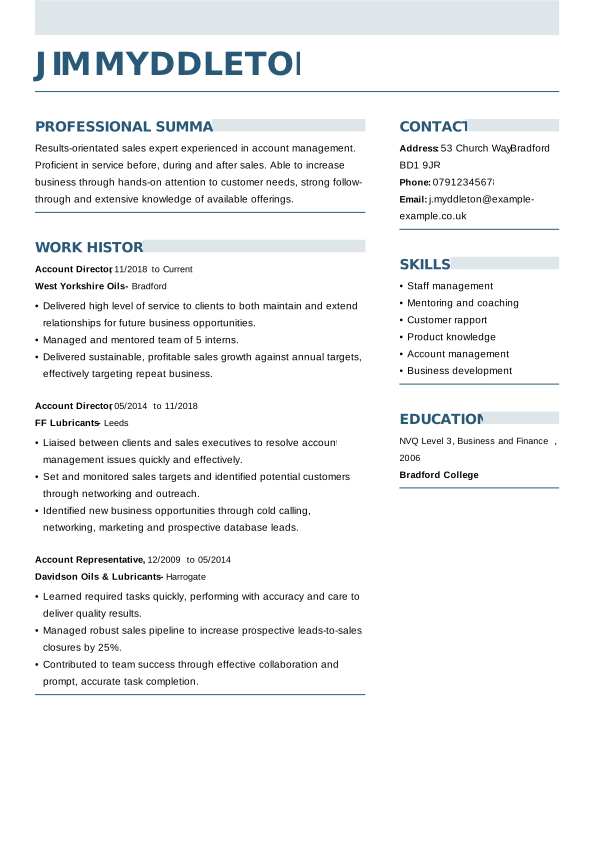
Recruiters spend an average of six seconds scanning each CV. Choosing the right example can make all the difference.
Our CV samples are custom-made for each job, following the ideal layout, tone, and structure that hiring managers prefer. Created by certified CV writers and based on proven UK standards, these examples show exactly how to make your application stand out.
Trusted by thousands of UK jobseekers, our examples are proven to improve recruiter response rates.
people are creating their CV with myPerfectCV now
*The number shown results from a predefined calculation based on the average yearly traffic. The actual number may differ.
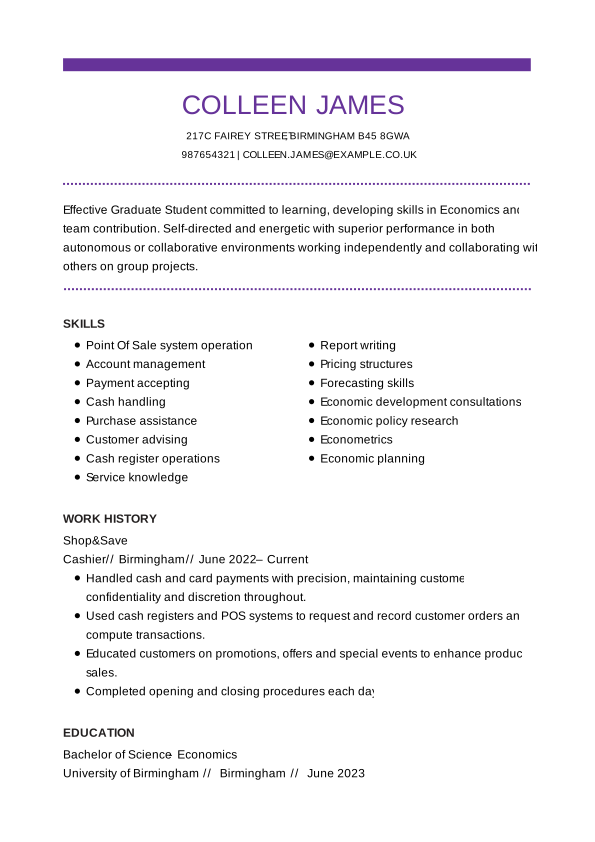
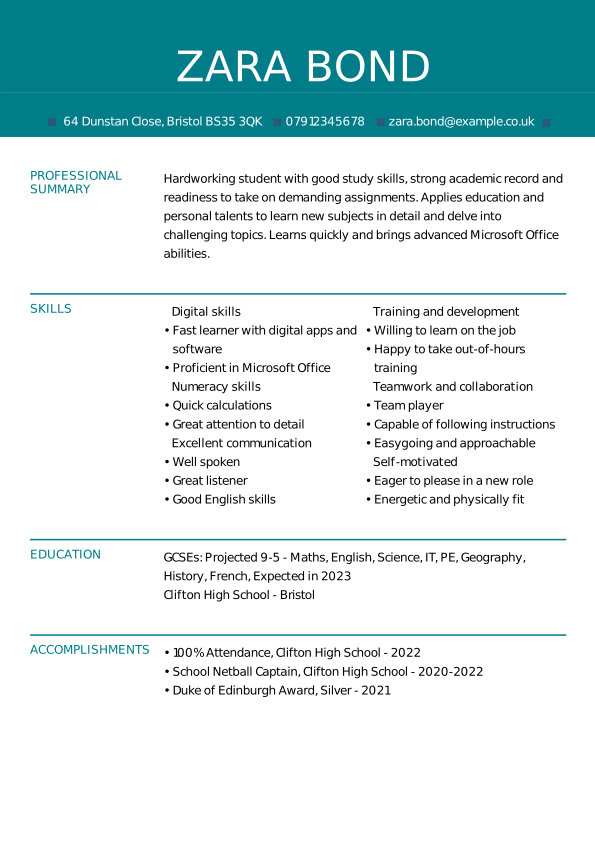
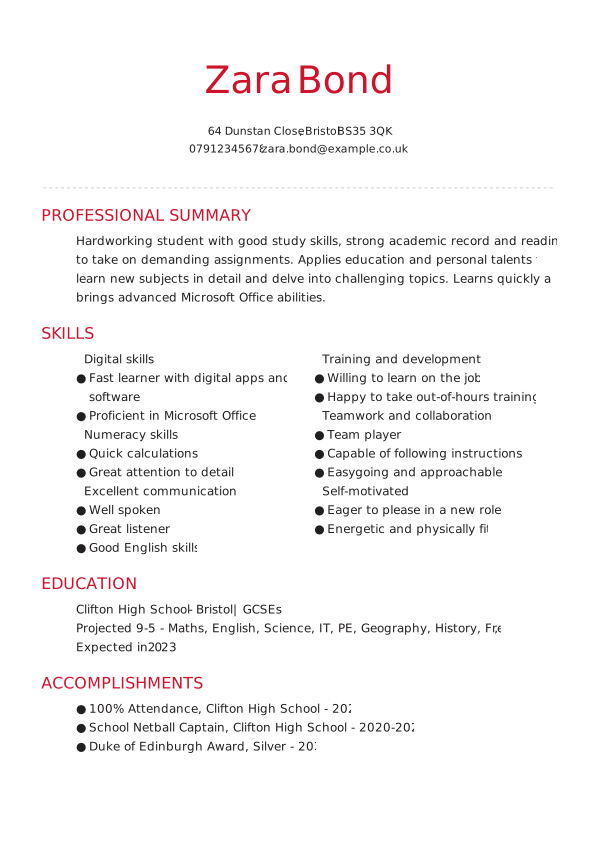
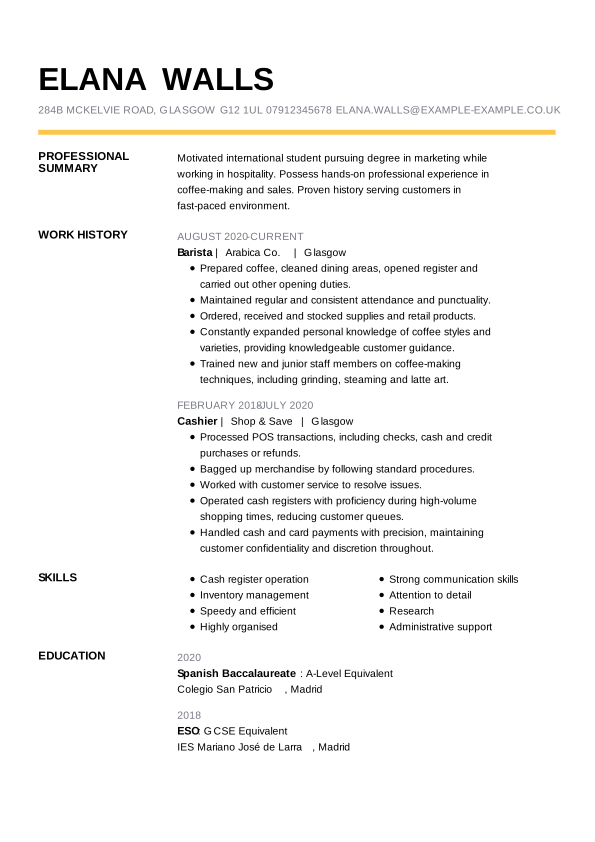
CV examples for students and graduates
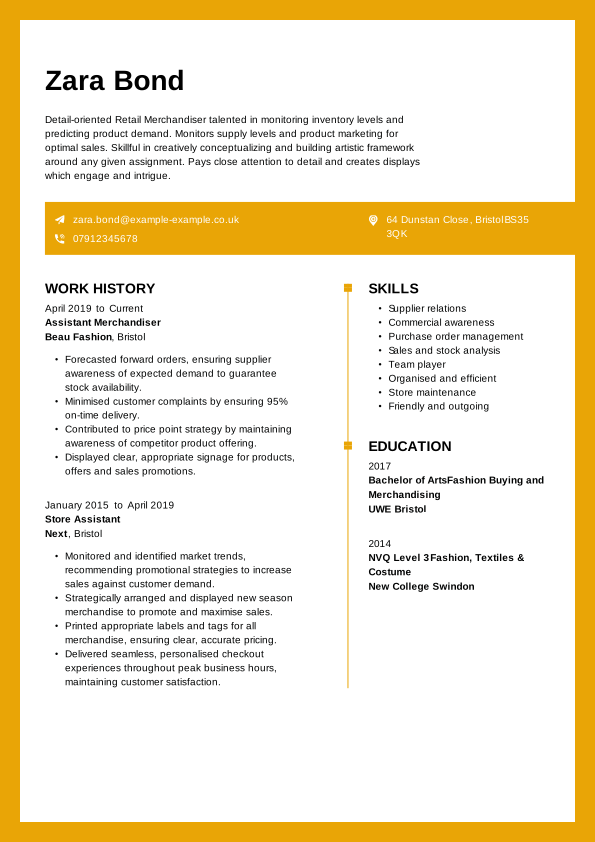
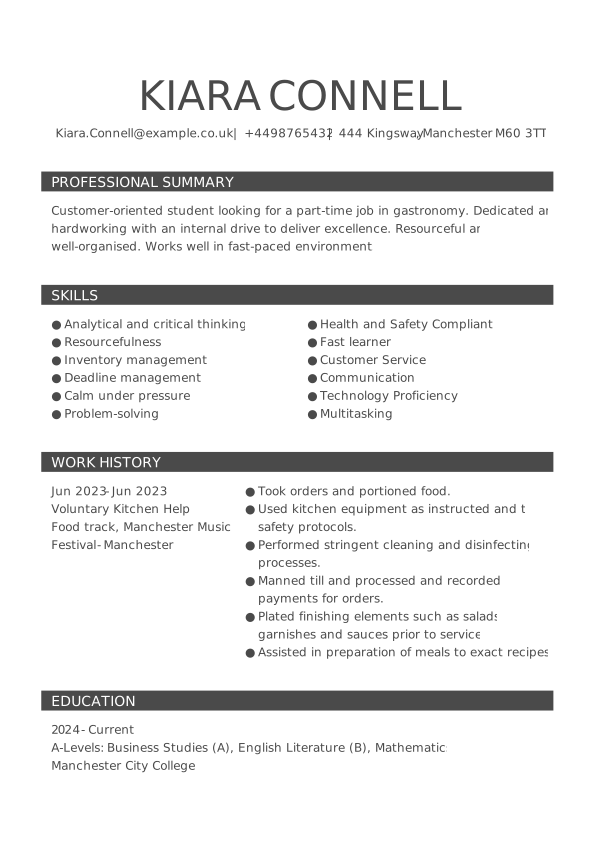
Our student CV examples show how to highlight your education, transferable skills, and part-time experience. Each sample follows a format that helps you stand out even without years of work history.
Good CV examples UK (2026)
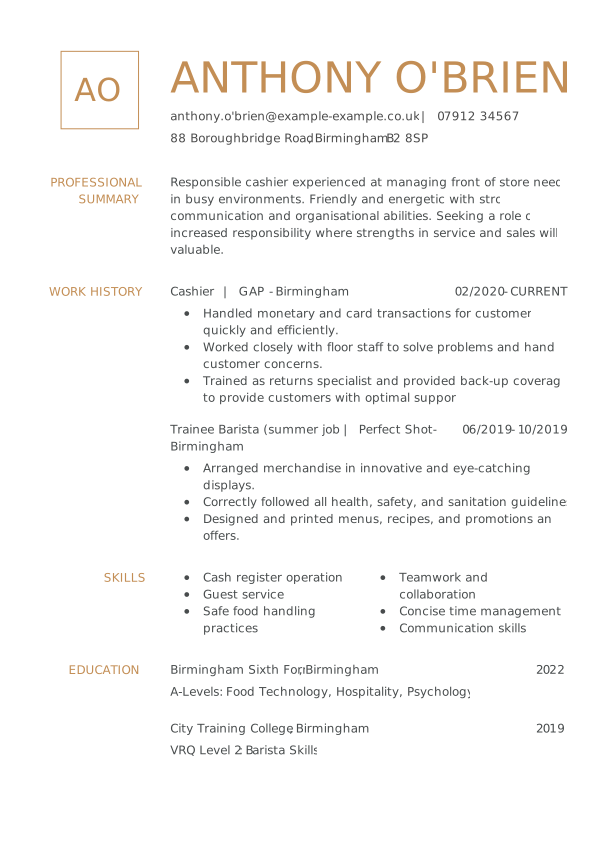
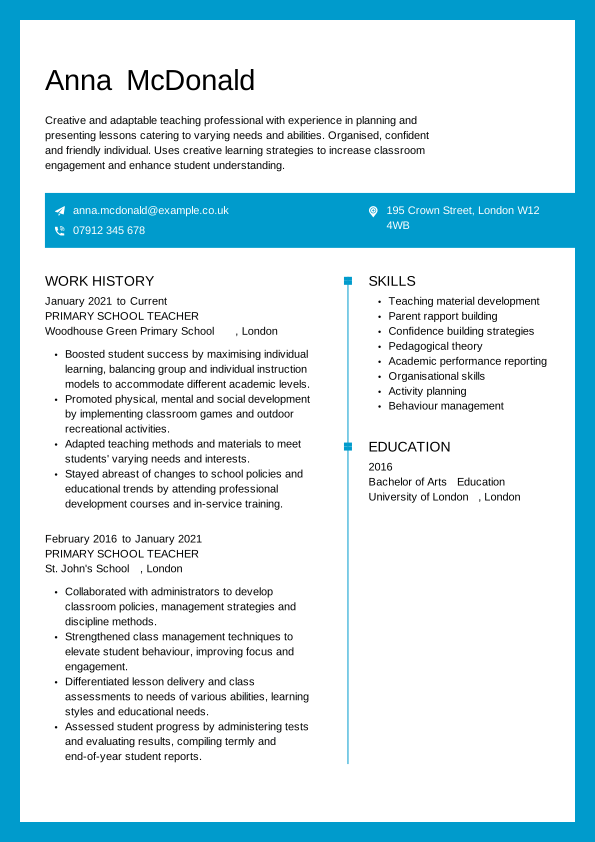
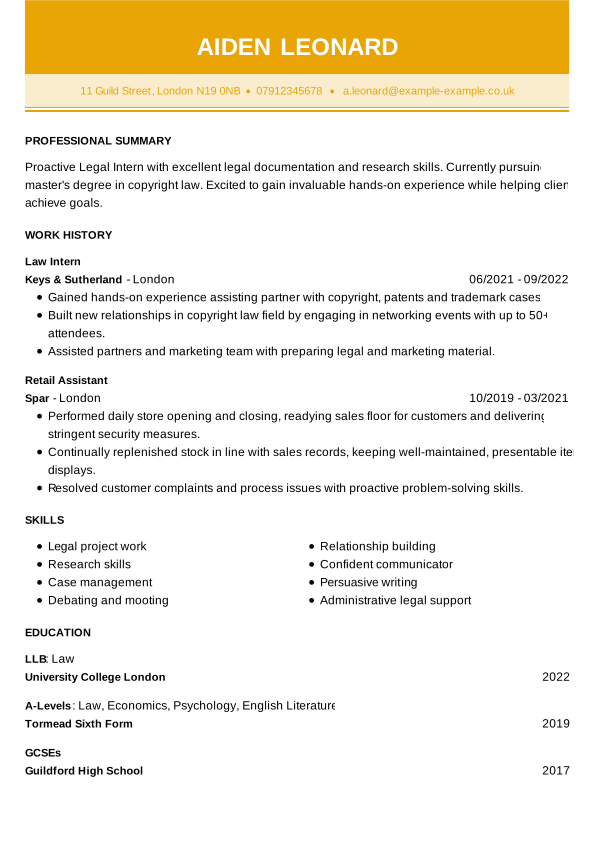
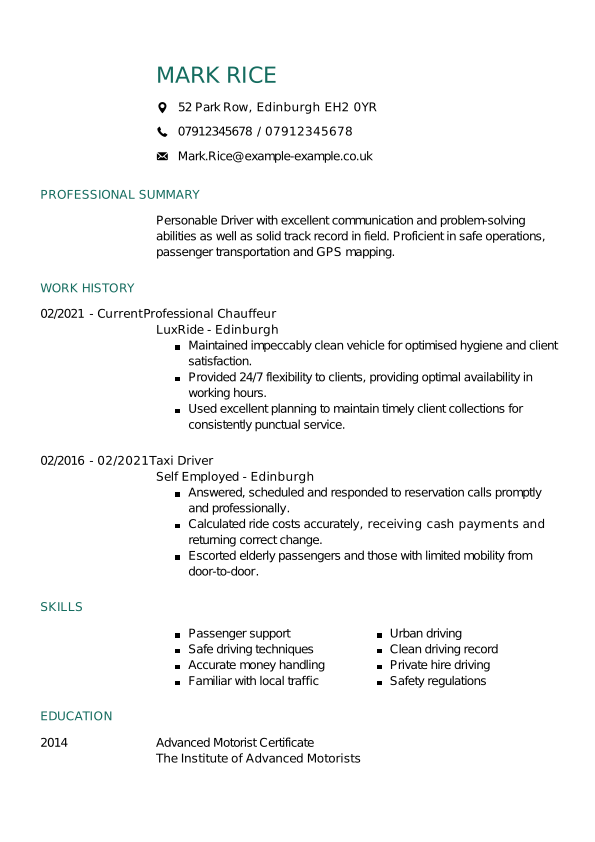
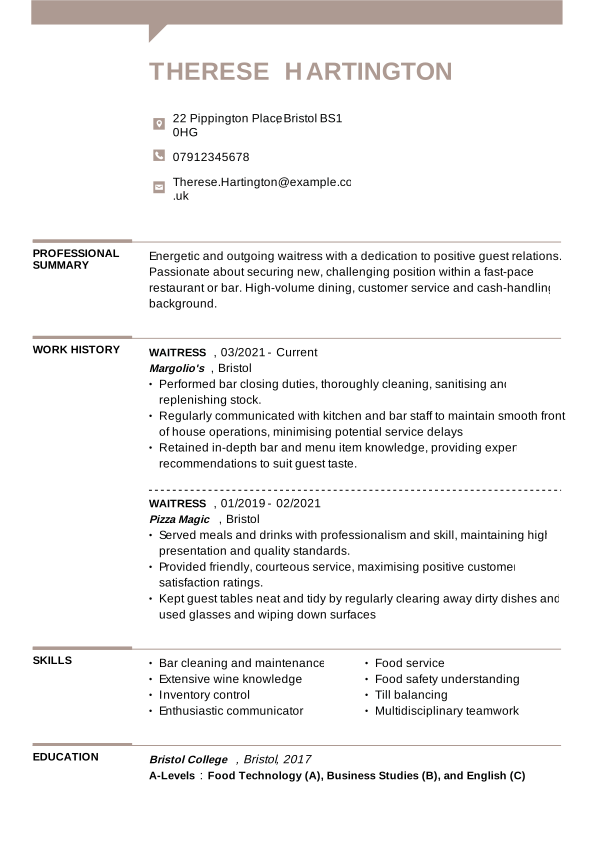
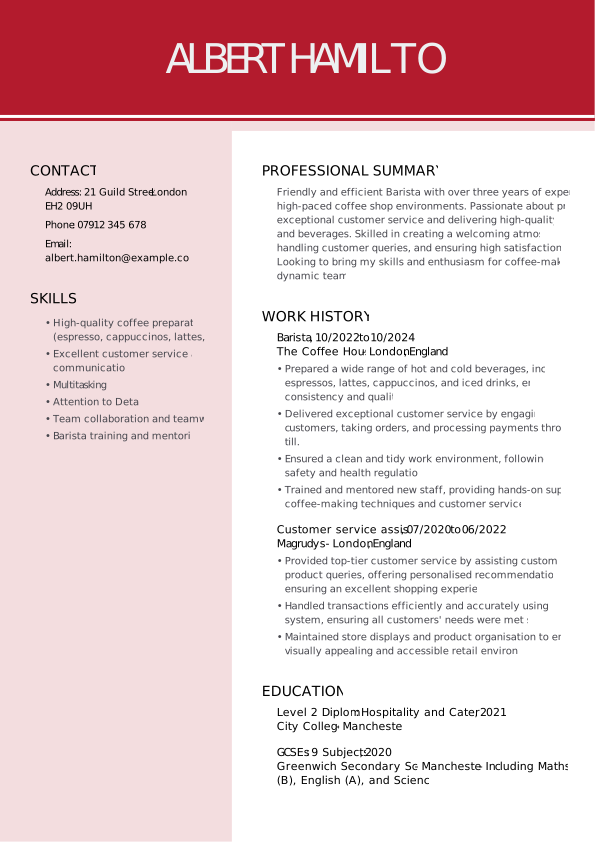
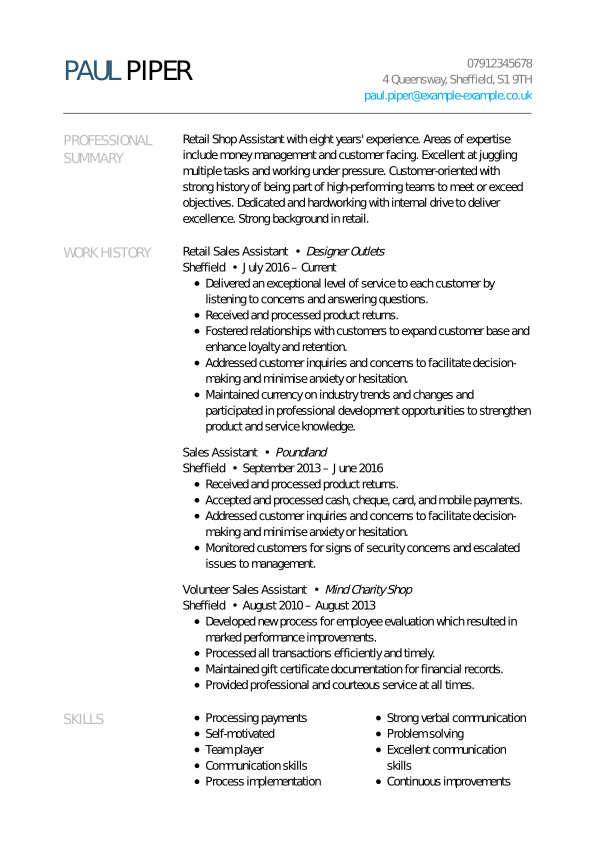
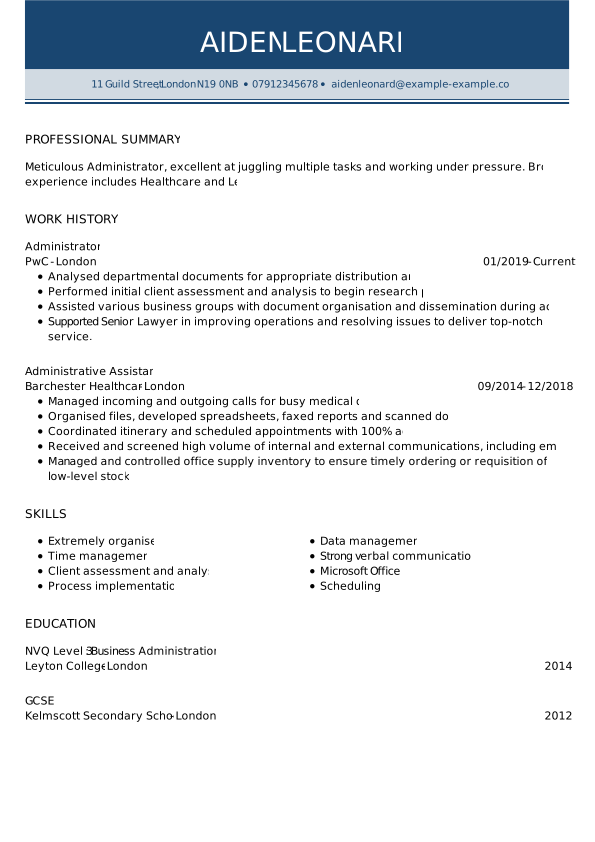
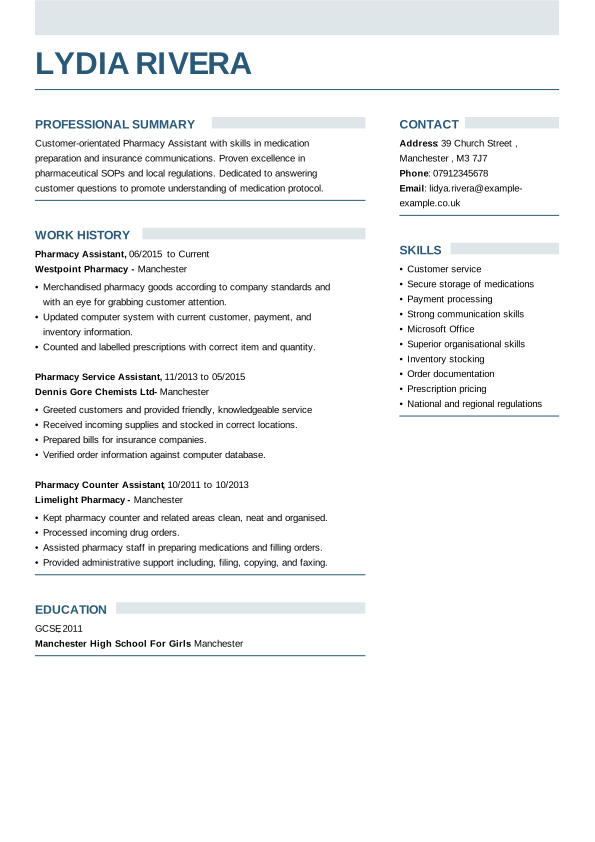
Explore our most viewed and downloaded CV examples for 2026. These tried-and-tested samples show exactly what UK recruiters look for — from clear formatting to achievement-focused content. Choose a job title to view the full example and start customising your own CV.
CV examples by format and type
Not all CVs look the same. Explore examples based on different styles and CV formats — whether you need a one-page CV, a two-page layout for experienced roles, or a skills-based CV that highlights your strengths. Find the structure that best fits your profile and goals.
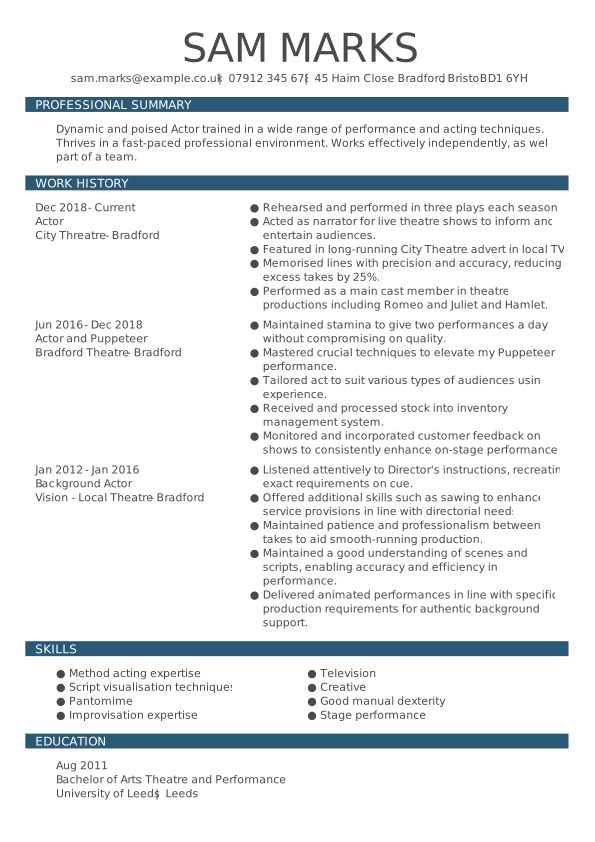
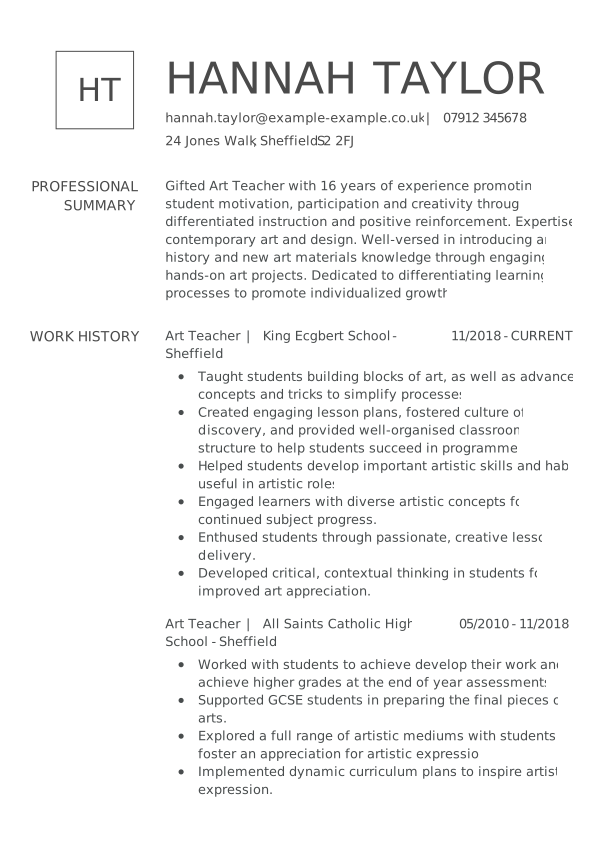
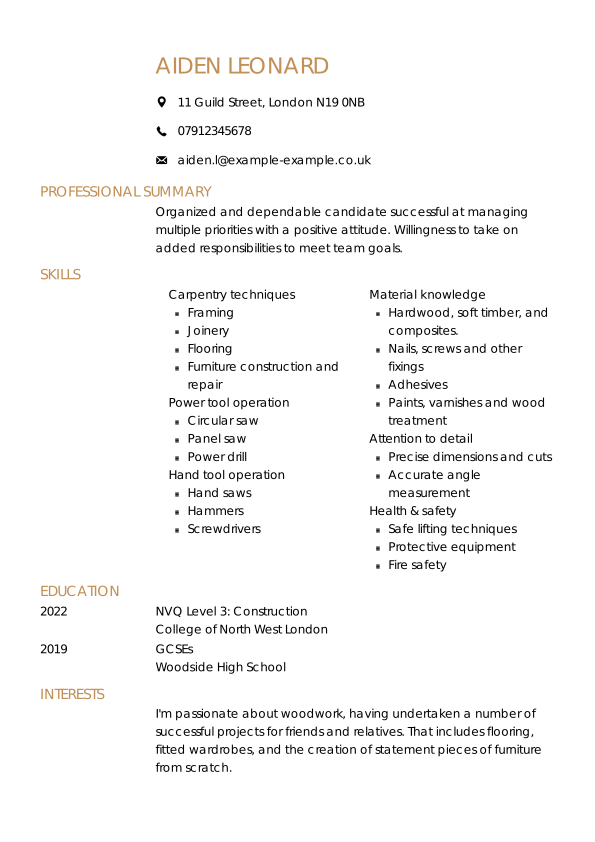
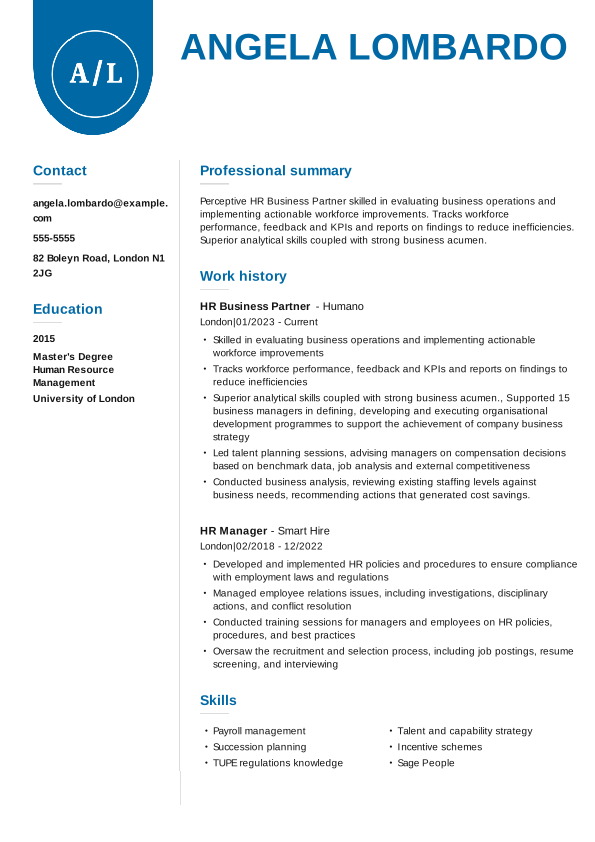
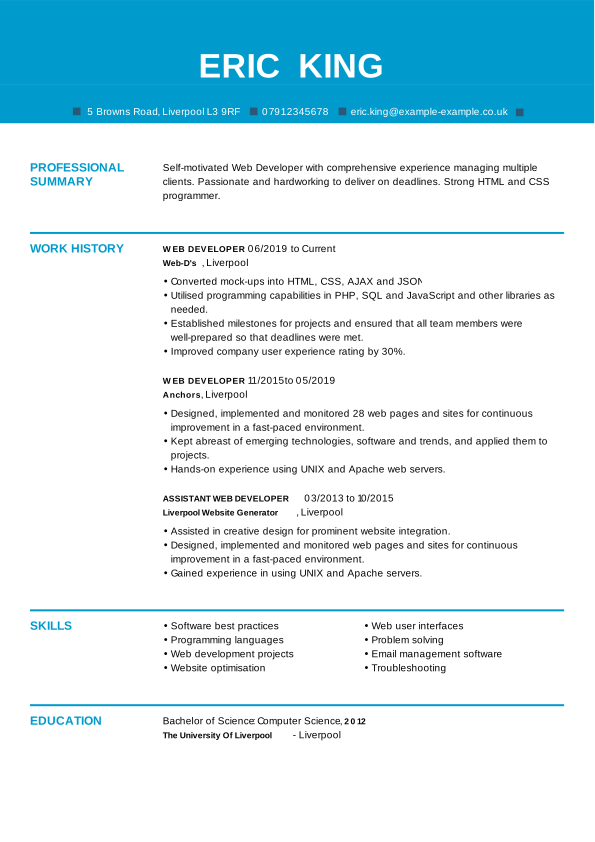
A concise layout that highlights your most relevant skills and experience. Ideal for early-career roles or when you need a clear, focused application.
A more detailed format that allows space to show more experience, progression and achievements. Best suited to experienced professionals or specialist roles.
A format that focuses on what you can do rather than where you’ve worked. Useful for career changers, entry-level applicants or those with transferable skills.
A clean, contemporary design that balances professionalism with visual appeal. Ideal for roles where presentation and clarity both matter.
A traditional structure that lists experience from most recent to oldest. Preferred by many UK employers and effective for showing steady career progression.
A clean, structured format that prioritises clarity and professionalism. Ideal for academic, corporate or traditional roles where a polished, no-nonsense layout is preferred.
CV Categories
Find UK CV examples for every profession
Not sure where to start? Browse our complete library of professional CV samples by industry or job title. Every example meets UK formatting standards and highlights the qualities employers look for. Use the search tool below to instantly find CVs for your sector and start building your own.
Type your role below to see CV examples tailored to your profession.
SEARCH ALL CV EXAMPLES

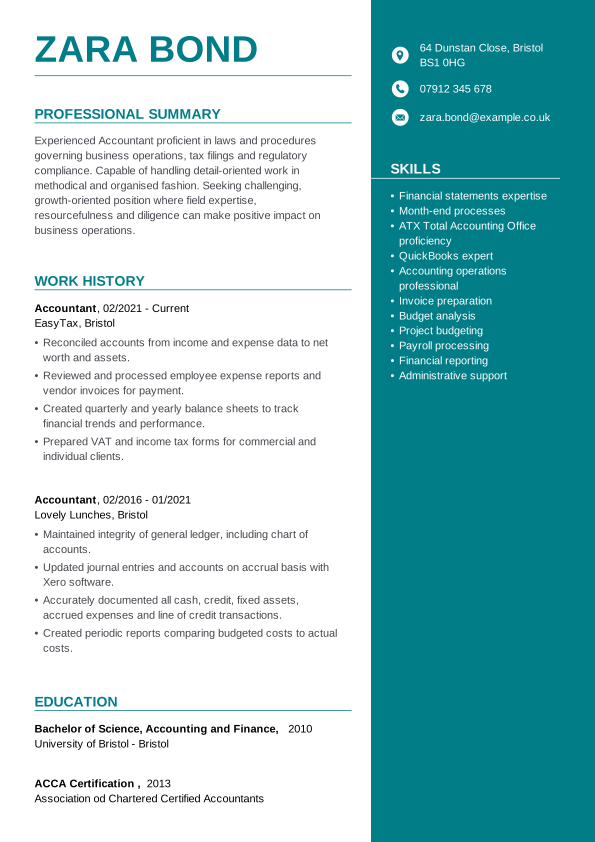
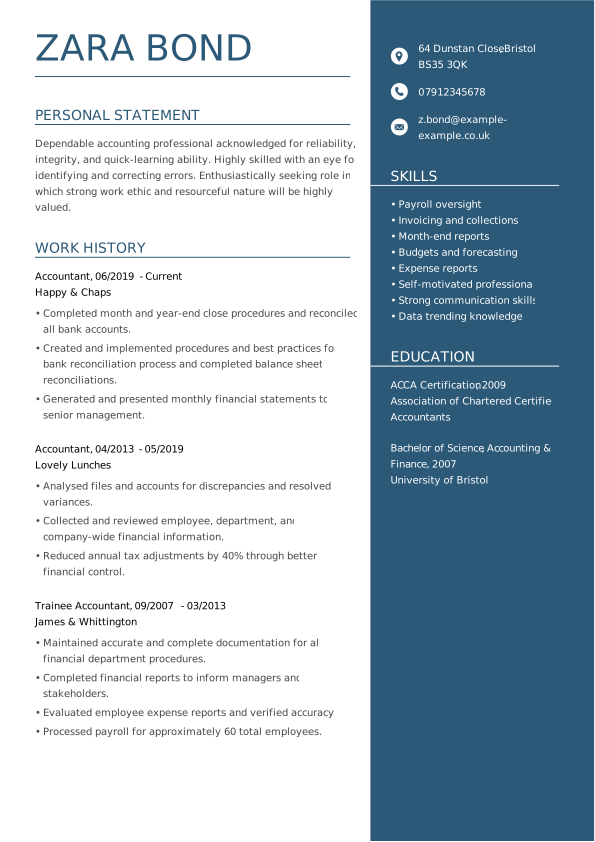
A strong accounting CV is detail-oriented, organised, and efficient at describing previous experiences as a string of professional phases throughout your career. Check out top examples of CV for jobs in the accounting industry.

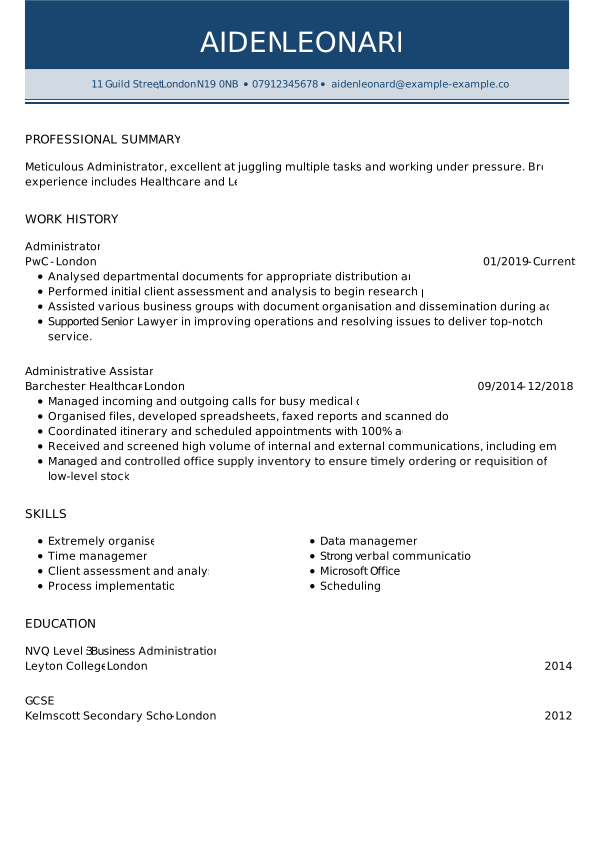
Showcase your administration skills and experience with a clear, concise CV that highlights your administrative background and any specialism. Review CV examples for administrative jobs.
- Administrator
- Bank compliance officer
- Receptionist
- Deputy manager
- Document controller
- Executive assistant
- Finance administrator CV
- General assistant
- Administrative assistant
- Immigration consultant
- Medical receptionist
- Monitoring evaluation officer
- Personal assistant
- Procurement assistant
- Project support officer
- Scheduler
- School administrator assistant
- Tender
- Veterinary receptionist

Crunch the numbers on your banking CV with a detailed work history to demonstrate your success to date as an assistant, officer, manager, or mortgage broker. Start with reviewing good CV examples for jobs in your field.
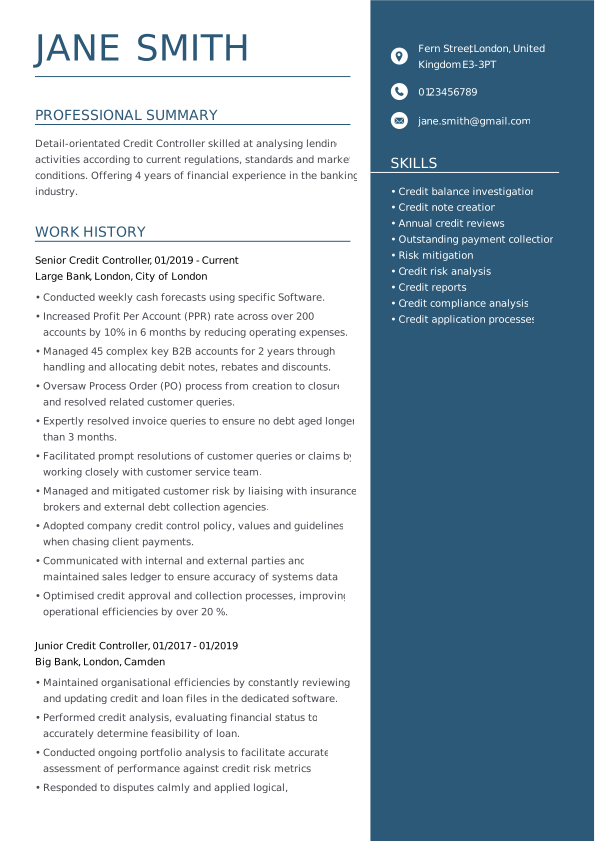

Create a CV that shines like your clients using our beautified examples and picture-perfect professional templates to briefly summarise your specialist skills and experience. Use provided examples of CV to gain a competitive advantage.
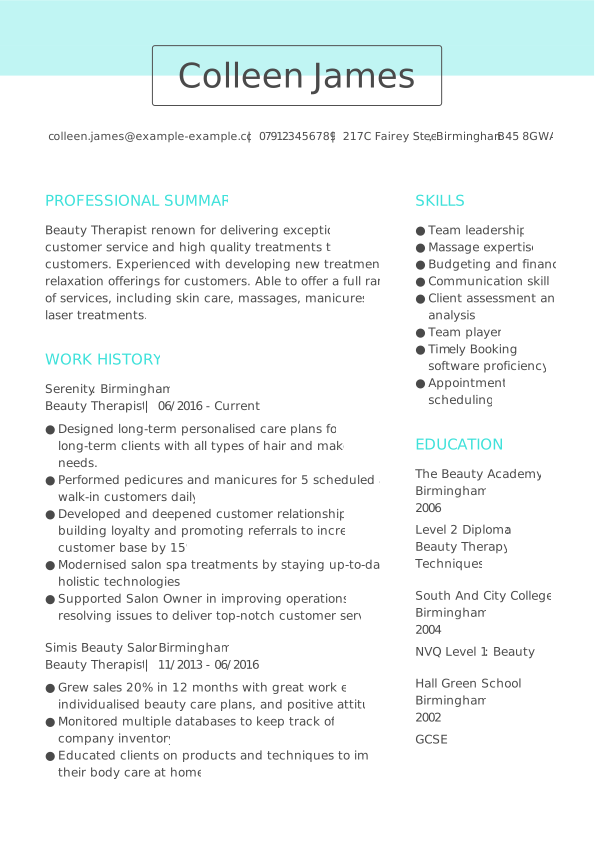

Find new ways to outline your outstanding career as a business professional. Use our CV examples to make the writing process easier and get inspired by professionals in your industry.
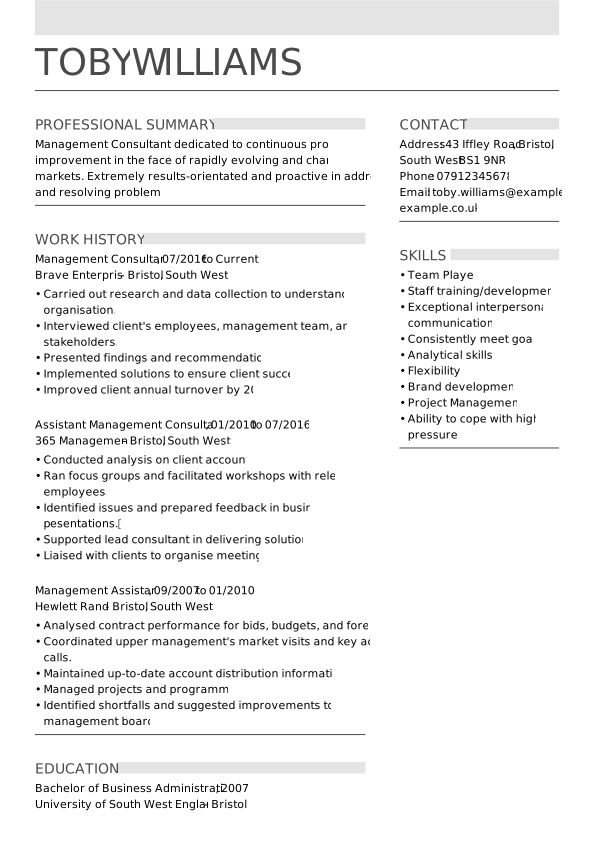
- Area manager CV
- Business development manager
- Business administrator
- Business analyst
- Business consultant CV
- Business Manager CV
- Change manager CV
- Chief Operating Officer
- Contract manager CV
- Data analyst
- Duty manager CV
- Management consultant CV
- Managing director CV
- Office manager
- Process improvement consultant
- Project management office analyst
- Relationship manager CV

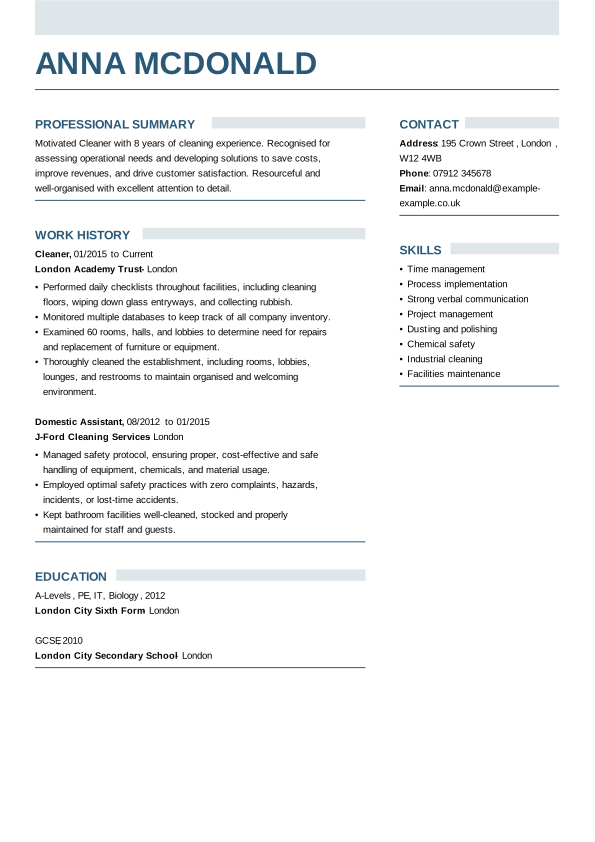
Check out examples of CV for the cleaning industry.

Check out CV examples for the construction industry.
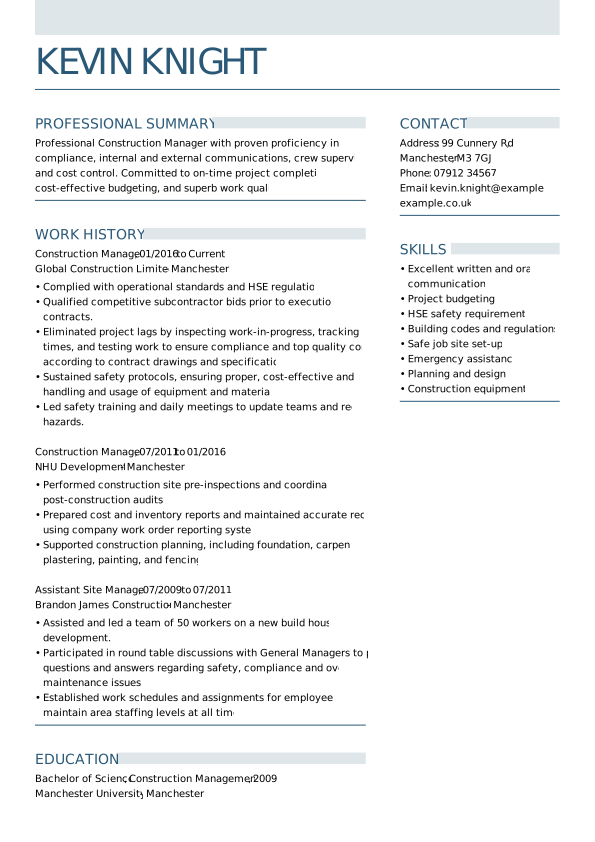

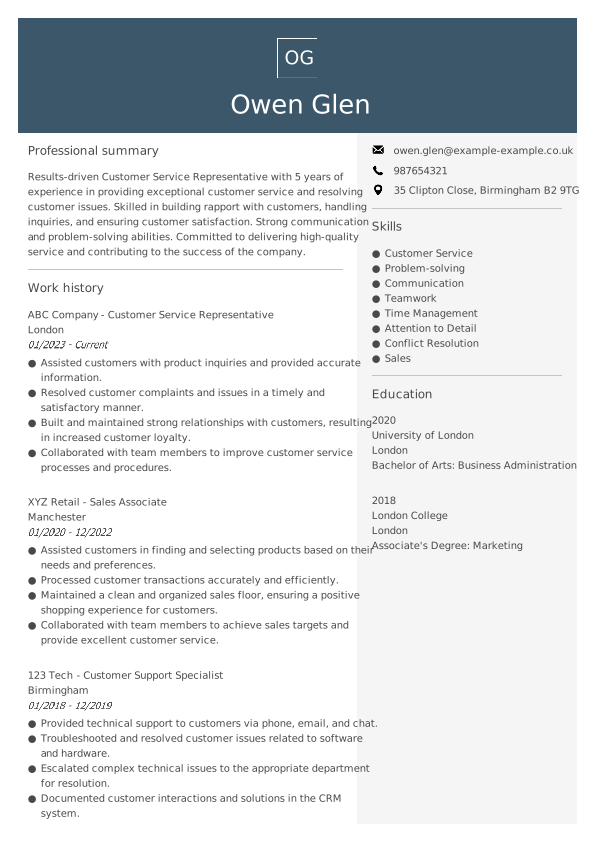
Apply for positions in the customer service industry and advance your career with good CV examples tailored to your role.
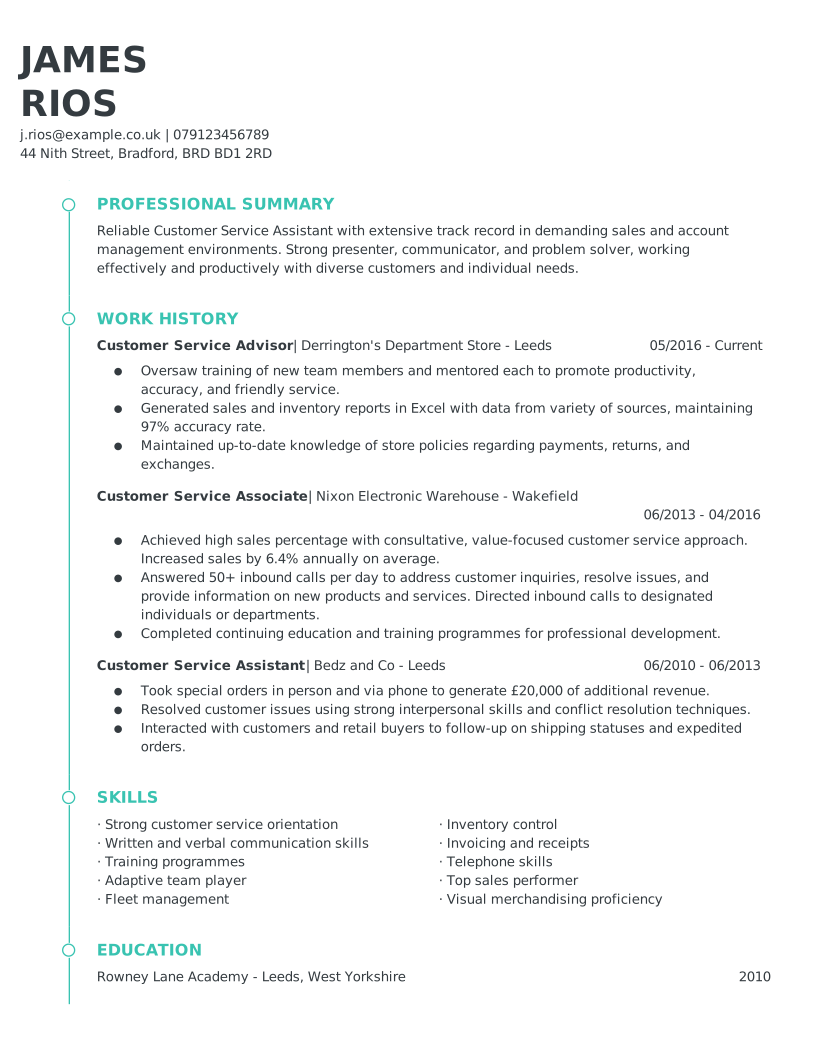

Stay one step ahead of your competition with a cutting-edge CV. Browse a collection of CV examples from related fields and get started.
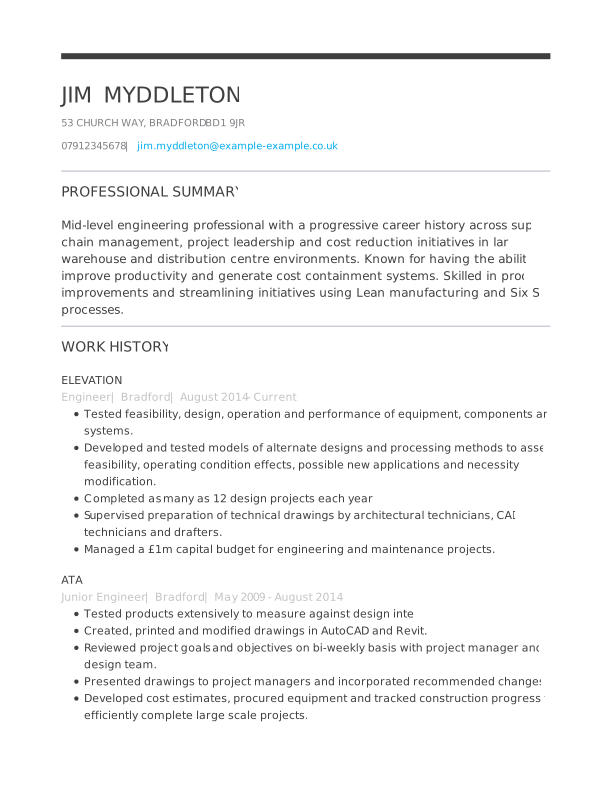
- AI Engineer
- AI specialist
- Aircraft maintenance engineer
- Automation test engineer
- Automotive engineer
- Biomedical engineer
- Civil engineer
- Engineer
- Design Engineer CV
- Draughtsman
- Electrical maintenance engineer
- Engineering manager
- Project manager
- Fire protection engineer
- Gas engineer
- Hydraulic engineer
- Instrumentation control engineer
- IT Engineer
- Lift engineer
- Machine learning engineer
- Maintenance engineer CV
- Marine engineer
- Mechanical design engineer
- NLP specialist
- NOC engineer
- Project engineer CV
- Quantity surveyor
- Site Engineer CV
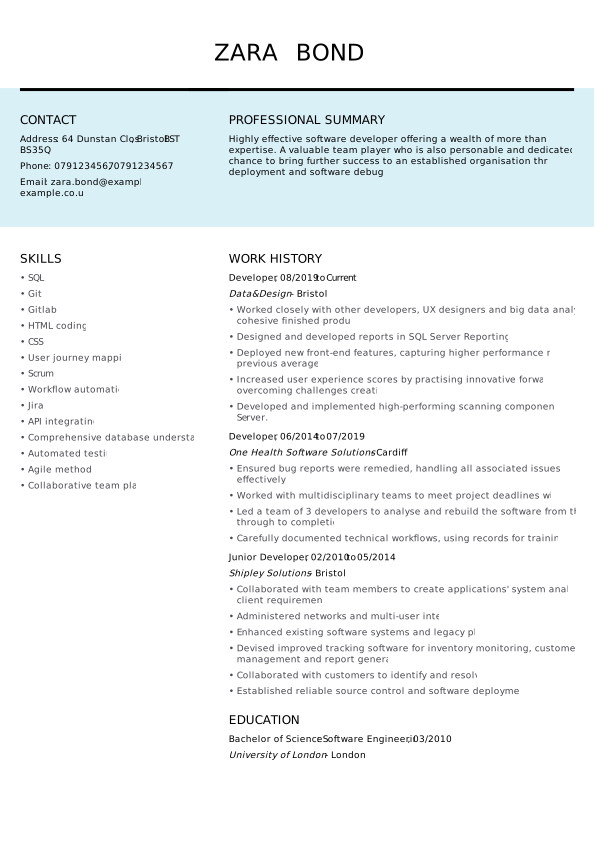
- Software engineer CV
- Mechanical engineer
- Telecommunication engineer
- Construction Engineer CV

Looking for a job in finance? You’re on a good path. Start with analysing good examples of CV from your industry.
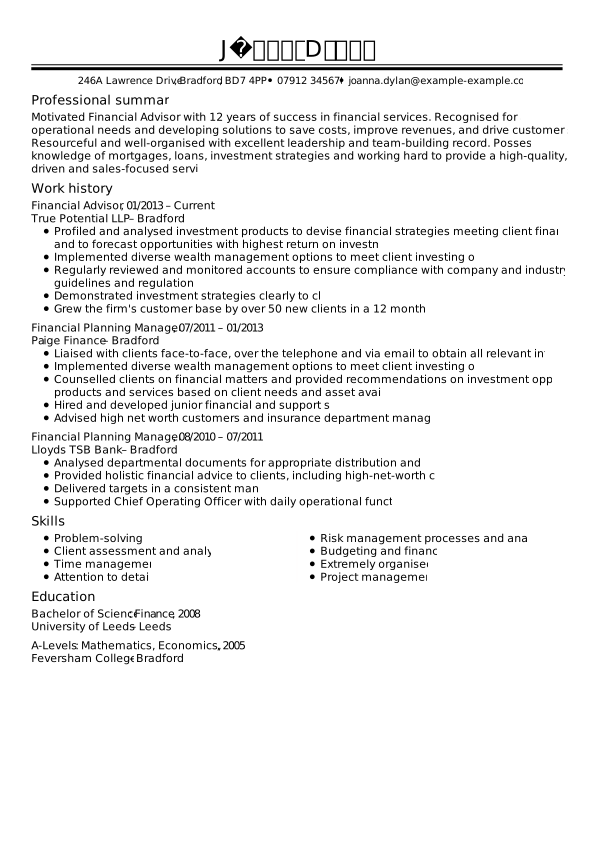
- Accounts assistant
- CFO CV
- Finance manager
- Credit Controller CV
- Credit Manager
- Credit risk analyst
- Debt collector
- Finance assistant
- Finance consultant
- Marketing Director CV
- Financial advisor CV
- Controller
- Foreign exchange trader
- Fraud analyst
- Fraud investigator
- Investor relations officer
- Know Your customer analyst
- Mortgage advisor CV
- Risk manager CV
- Tax assistant
- Trader
- Financial analyst

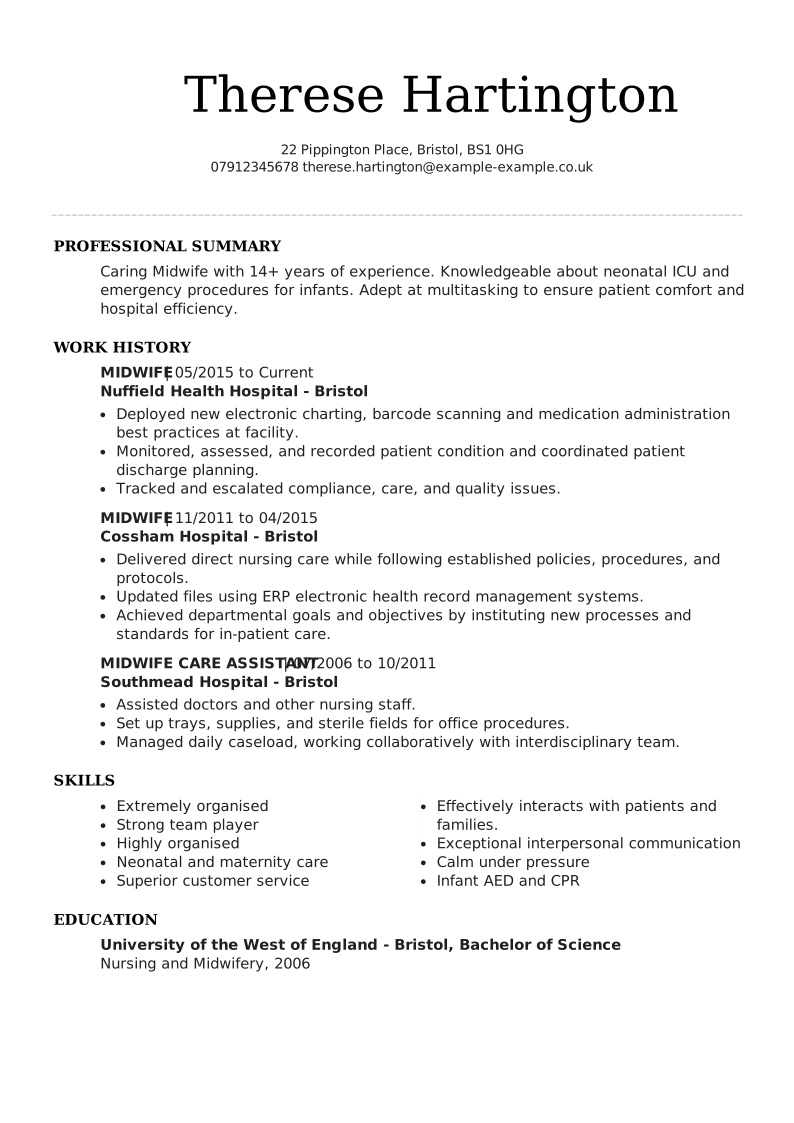
Launch your career in healthcare with a CV tailored to your needs. Start by browsing our CV examples for your industry that will help you write your application.
- Animal care worker
- Clinical psychologist CV
- Pharmacist
- Healthcare assistant
- Midwife
- NHS
- Occupational therapist
- Optical assistant
- Optometrist assistant
- Optometrist
- Paramedic CV
- Pharmacy assistant CV
- Pharmacy technician CV
- Phlebotomist
- Physiotherapist assistant
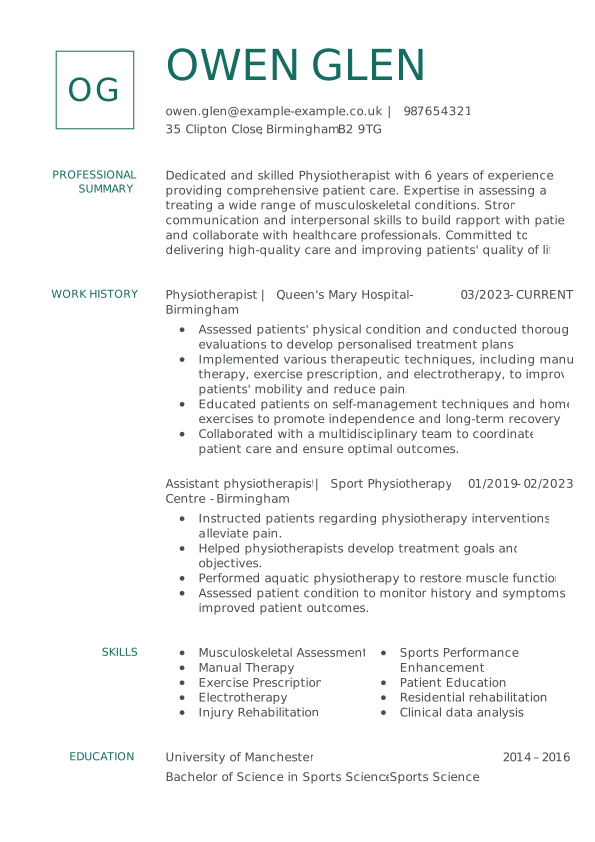
- Physiotherapist
- Podiatry assistant
- Psychologist CV
- Radiographer CV
- Doctor
- Veterinary nurse

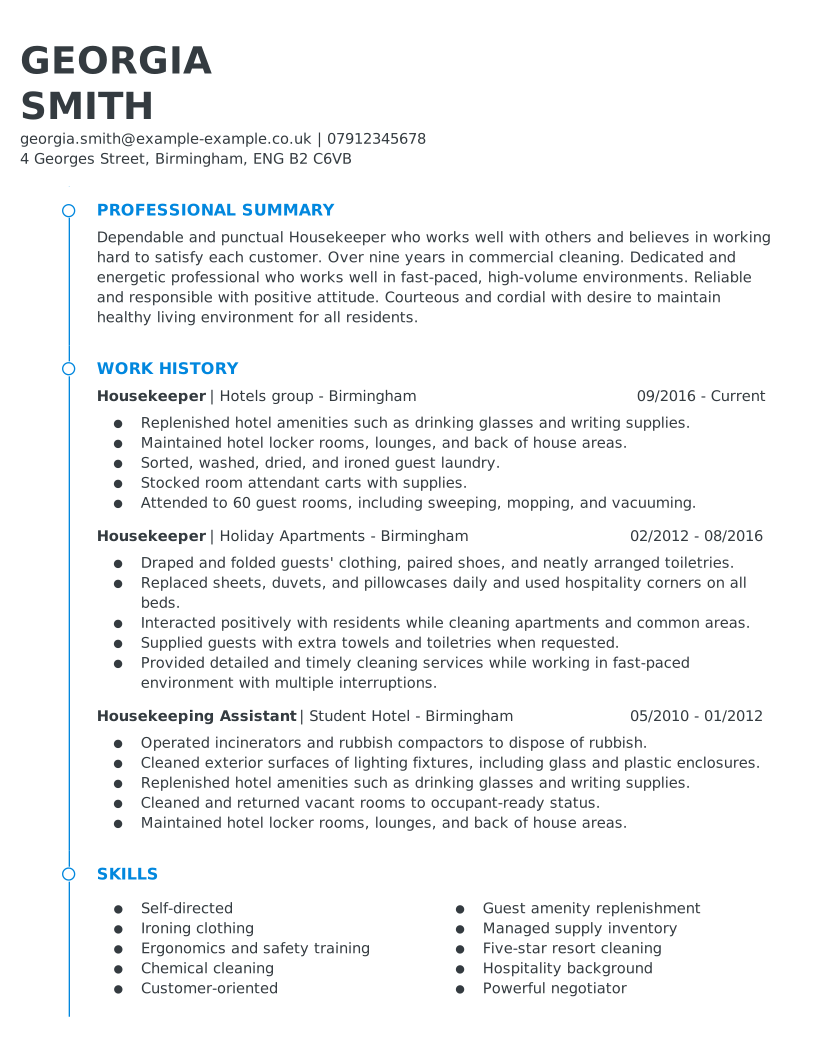
Host your career with top hospitality CVs. Take inspiration from examples of CV in this category and see how to create your document.

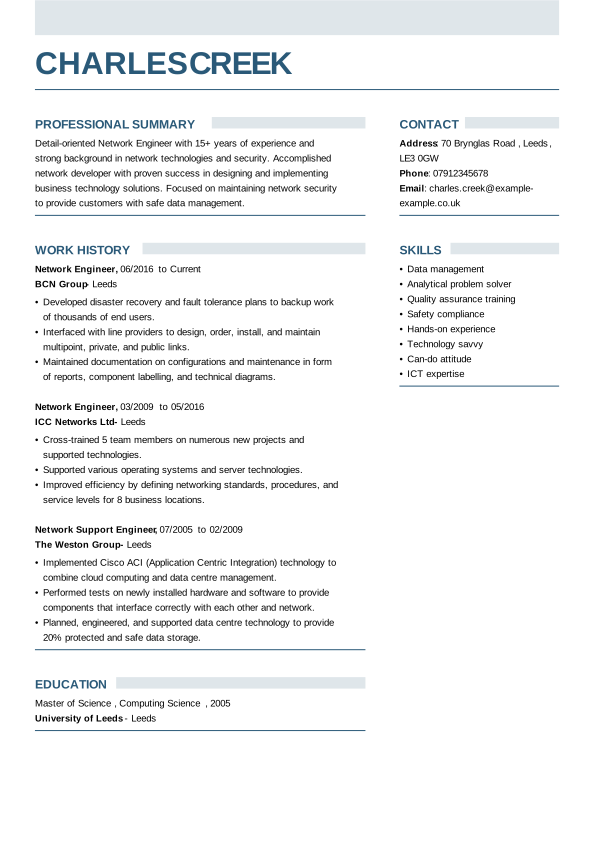
Program the best outcome for yourself by finding a job that gives you satisfaction. See examples of CVs for jobs in the IT industry.

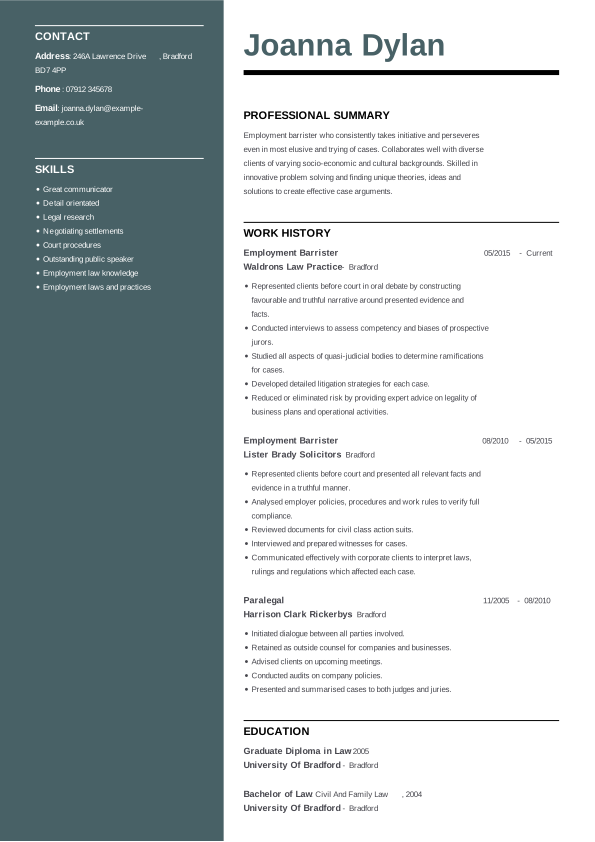
Check out the best CV examples in this category and get your CV in order. See what a CV for a profession in the legal world should look like and get yours.

Easily manoeuvre between requirements, skills and experience to create a top CV in the logistics sector. Check out the CV examples and navigate your career.
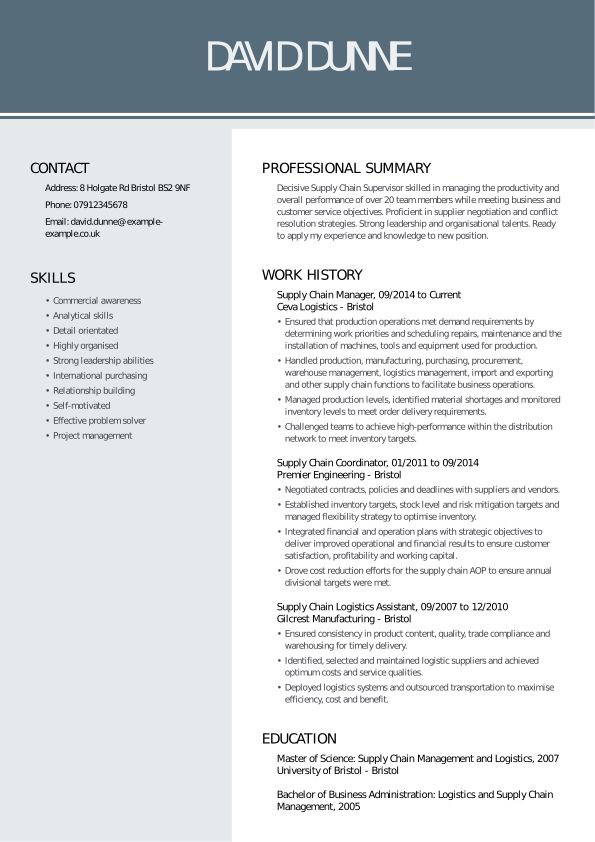

Put your professional profile on display and get that top-shelf CV now. See the CV examples in your industry to get an idea of what employers look for.
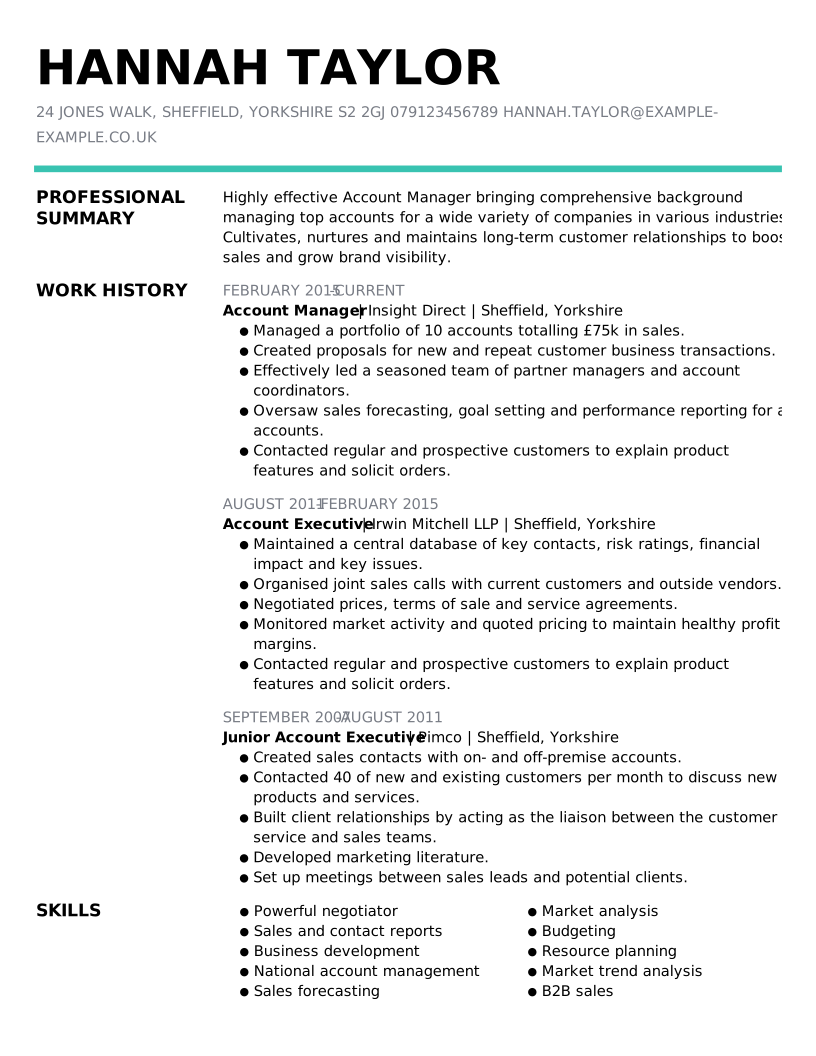
- Account executive
- Account manager
- Advertising account manager
- Assistant merchandiser
- Business development executive CV
- Communications assistant
- Communications manager
- Communications officer
- Fashion public relations assistant
- Marketing Director
- Marketing manager
- Product manager CV
- Merchandiser CV
- Social media manager CV
- Visual merchandiser

Boost your career and create your medical CV quickly using our step-by-step guidance. Review CV examples for the medical industry now.
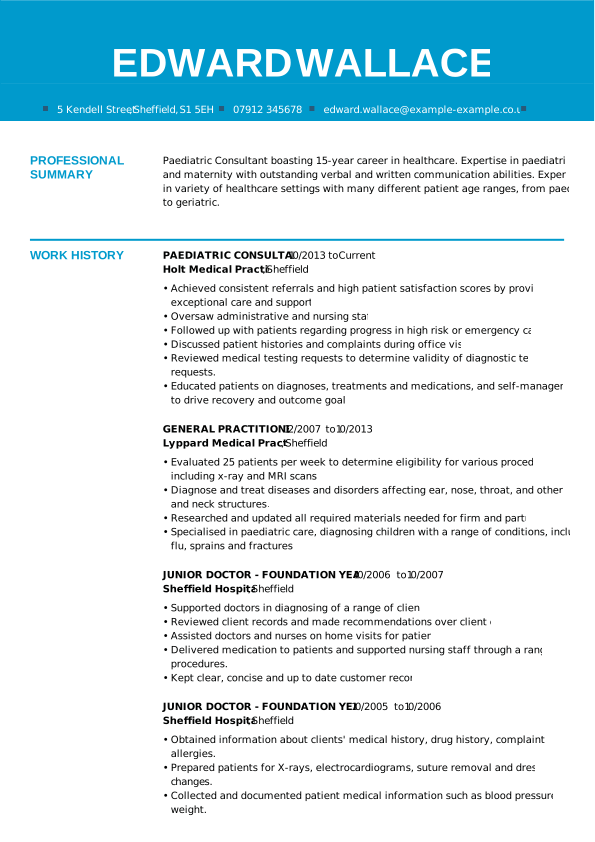
- Animal care worker
- Clinical psychologist CV
- Pharmacist
- Healthcare assistant
- Midwife
- NHS
- Occupational therapist
- Optical assistant
- Optometrist assistant
- Optometrist
- Paramedic CV
- Pharmacy assistant CV
- Pharmacy technician CV
- Phlebotomist
- Physiotherapist assistant
- Physiotherapist
- Podiatry assistant
- Psychologist CV
- Radiographer CV
- Doctor
- Veterinary nurse

Nurture your future with a job you are passionate about. Start with reviewing examples of CV for nursing careers.
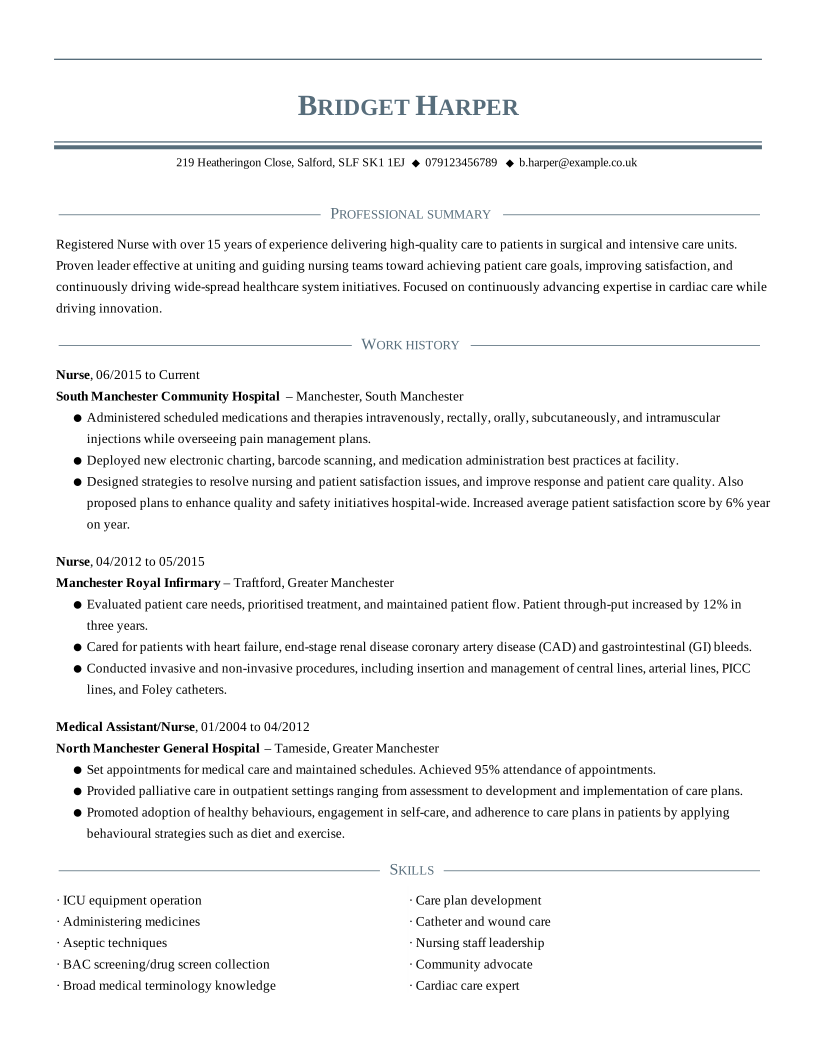

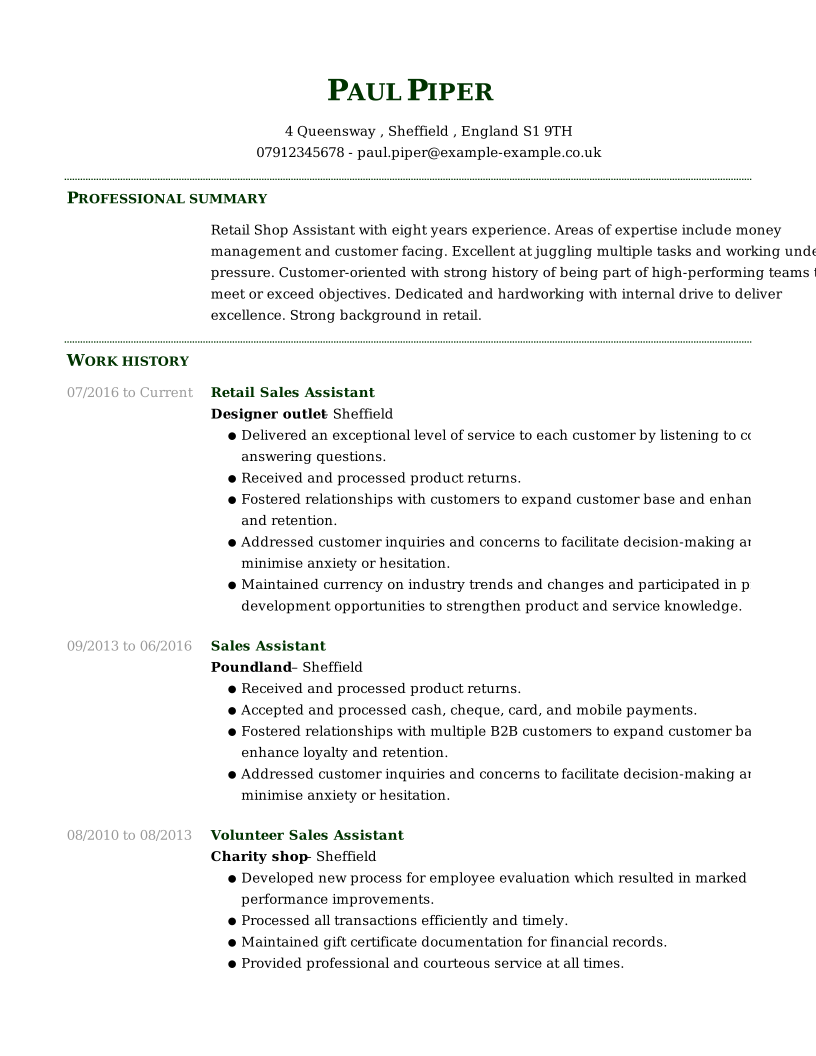
Seal the deal with a top-notch retail CV that ticks all the boxes. See examples of CVs and check how to make yours step-by-step.
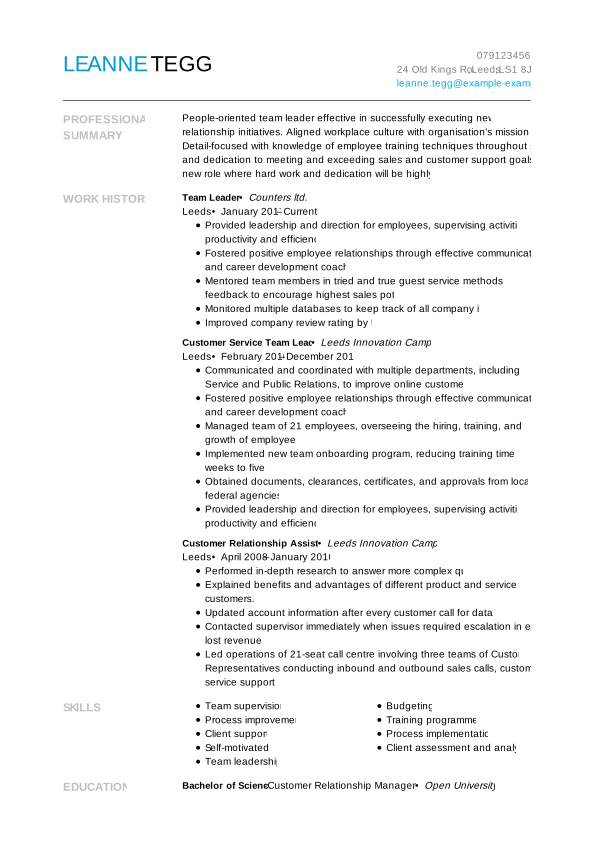

Think of your CV as a sales letter to your potential employer. Browse our collection of CV examples from your industry.

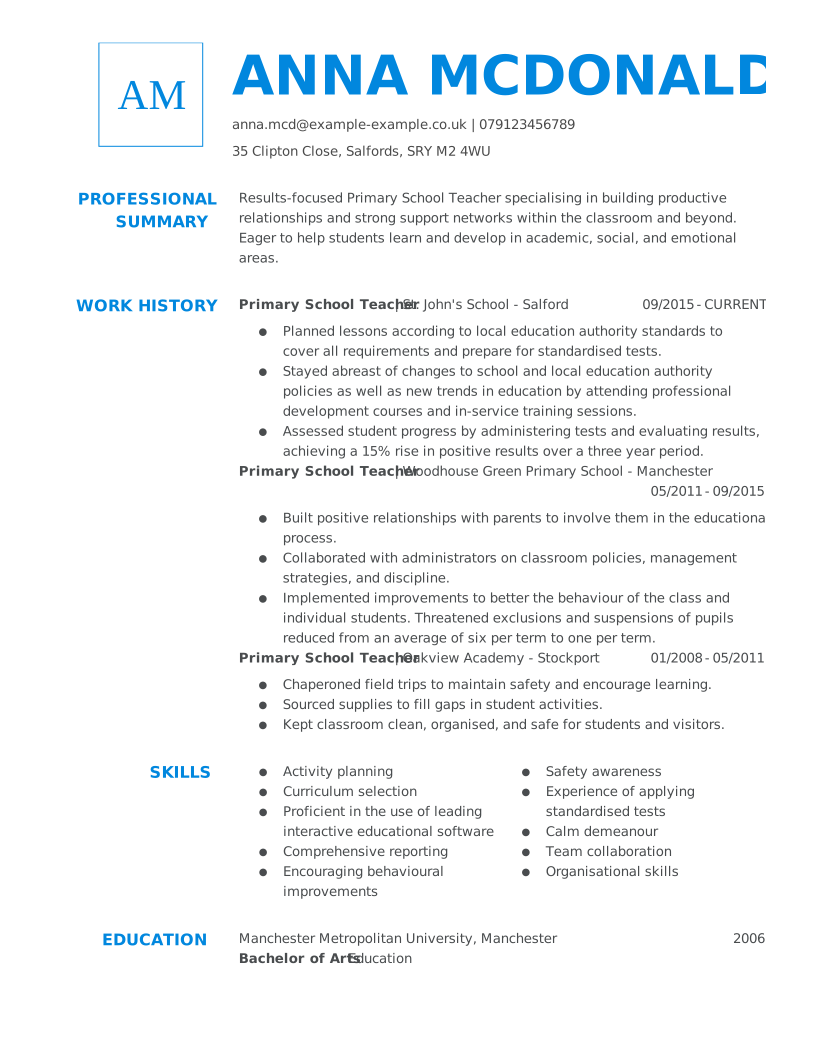
Put your experience into practice and create the best teaching CV according to recruiters’ suggestions. Check out CV examples for your category and get inspired to write yours.
- Arabic teacher
- Archivist
- Art teacher CV
- Assistant professor
- Chemistry lecturer
- Chinese teacher
- Drama teacher
- English tutor
- ESL teacher
- French teacher
- Guitar teacher
- Teaching assistant
- Tutor
- Librarian
- Library assistant CV
- Montessori teacher
- Nursery teacher
- Physical education teacher
- Piano teacher
- Primary school teacher CV
- Psychology research assistant
- Senior international relations specialist
- Social policy lecturer
- Special needs teaching assistant
- Student counsellor
- Translator

CV samples for other categories
More CV samples for popular categories


How CV examples help you build a better CV
See what recruiters are looking for
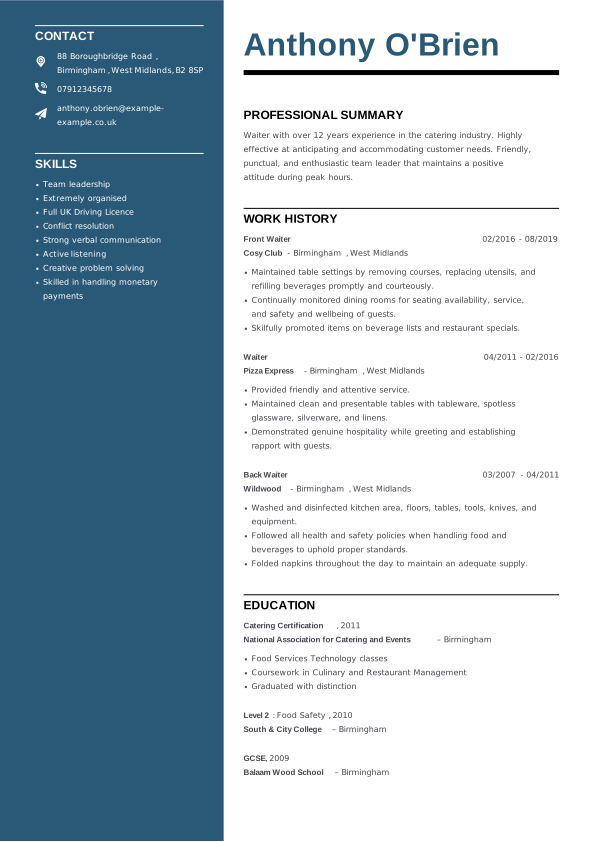
Our CV examples show the layout, language, and structure that UK recruiters expect. From subheadings to bullet points, each example demonstrates how to present your skills and experience clearly — helping you stay on track and create a CV that’s easy to read and instantly relevant.
Get inspiration and ideas
Our CV examples can also give you inspiration if you’re stuck for ideas. Let’s face it – we all get writer’s block from time to time, and it’s not always easy remembering exactly what you’ve done at each of your jobs.
By reading through good CV examples, you can see what kind of things to talk about – and how to talk about them. That includes tips like mentioning specific figures and using plain English wherever possible.
Find the right format for your role
Whether you’re a student, receptionist, or accountant, the ideal CV format can differ. Our 300+ examples show how to tailor your layout, tone and content for your country, industry, level of experience and career goals.
Pass recruiter and ATS checks
What on earth is ATS? It stands for Applicant Tracking Software, used by many recruiters to filter CVs for the most suitable candidates. ATS systems look at key phrases related to experience, qualifications, or simply key skills, depending on the job.
Fortunately, our CV examples have been written in compliance with this. Their clear, concise style is ideal for including keywords without adding a lot of text. Follow our tips to pass an ATS check and get your CV seen by a recruiter.
Master your personal statement
Each example includes a professionally written personal statement tailored to the job title and level of experience. See how experts highlight key strengths in just a few sentences, capturing attention quickly and setting the tone for the rest of your CV.

CV examples – frequently asked questions
What is a CV example?
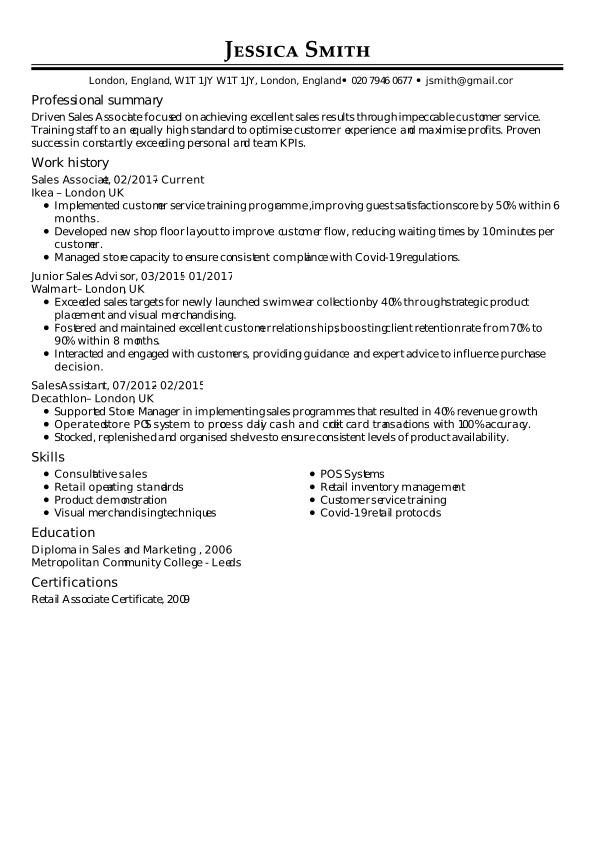
A CV example is a professionally written sample that shows you how to structure your own CV for a specific job or industry. Each example highlights the right format, language, and tone used by successful candidates — from the personal statement to the skills section — so you can follow a proven layout and confidently create a polished CV.
How can CV examples help me write my CV?
CV examples take the guesswork out of writing. They show you what recruiters expect in your field — how to describe achievements, order your sections, and balance text with white space. By following an example close to your job title, you’ll learn how to highlight relevant skills and experiences that match real UK job descriptions.
Which CV examples are most popular in the UK?
Among UK jobseekers, the most visited categories are administration, healthcare, retail, customer service, and construction. These examples are practical and easy to adapt, showing clear layouts, strong action verbs, and skill-focused sections that appeal to recruiters in busy industries.
What’s the best CV format for students or entry-level jobs?
For students or candidates with limited experience, a skills-based or student CV format works best. This type of CV focuses on education, achievements and transferable skills gained through part-time work or studies. Our student examples show how to present your strengths clearly and make the most of your potential, even without a long work history.
How do I customise and download CV examples on this page?
You can customise any of the CV examples on this page using our easy-to-use My Perfect CV Builder. It lets you edit the layout, text and design quickly — so you can turn an example into a fully personalised CV that fits your goals.
Start by clicking a CV example that best matches your industry, role or preferred style. Then follow these expert tips to make it your own:
- Replace example details: Add your personal information, work history and achievements in place of the sample content.
- Showcase your skills: List relevant technical, professional and soft skills that align with the job description.
- Focus on achievements: Highlight measurable results, such as “Increased sales by 20%” or “Managed a team of 10 staff.”
- Include education and training: Add your degrees, certifications and relevant courses that support your career path.
- Use the right keywords: Incorporate job-specific terms and skills to help your CV pass Applicant Tracking Systems (ATS).
- Adjust the design: Experiment with fonts, colours and layouts to reflect your personal style while keeping it professional.
How to write a CV
To write a strong CV, keep your sentences clear, active and specific. Focus on what you achieved, not just what you did. For example:
- Be concise: Write “Cleaned food preparation areas daily” instead of a long explanation.
- Use active verbs: Say “Managed 20 staff over a five-year period” rather than “A team of 20 staff were managed effectively.”
- Use plain English: Avoid jargon and explain acronyms like click-through rate (CTR) or managing director (MD).
- Be specific: Include numbers and outcomes, such as “Managed budgets of £50,000” or “Assisted 100+ customers weekly.”
These simple writing techniques make your CV easier to read and help recruiters notice your achievements quickly.
Why build your CV with My Perfect CV?
Our CVs are created with input from certified CV writers and industry recruiters. Users who build their CVs with My Perfect CV see up to 42% higher recruiter response rates. With expert content, customisable templates and data-backed results, we help you create a CV that’s not only professional but also powerful in today’s job market.
*The names and logos of the companies referred to above are all trademarks of their respective holders. Unless specifically stated otherwise, such references are not intended to imply any affiliation or association with myperfectCV.